Dear Reader,
Let me say one thing first. You don't have to agree with us. Just hear us out.
When we began India Contemporary, we had a simple ambition: to create a publication that reflects the richness and diversity of contemporary Indian culture.
Founded in London, we explore that culture through a British lens while drawing on voices and perspectives from India and around the world. India is changing rapidly, and so is the way its culture is created, experienced and shared. Artists, designers, writers, performers, architects and cultural practitioners are working across borders and disciplines, connecting India with Britain and with communities across the globe.
The British perspective is an important part of India Contemporary. It is not about speaking for India or Indians. It reflects our position and our interest in the connections between India, Britain and the wider world. Contemporary Indian culture already crosses borders. Artists live and work internationally. Audiences are global. Ideas move between cities and communities. We want India Contemporary to reflect that reality.
But what does that mean in practice? At the heart of India Contemporary is the magazine. Publishing was where I started my career, and I've been collecting magazines since I was a teenager (and trust me, that's a long time), so it felt right to begin with a format I've always loved.
We publish three issues a year, each built around a distinct editorial theme.
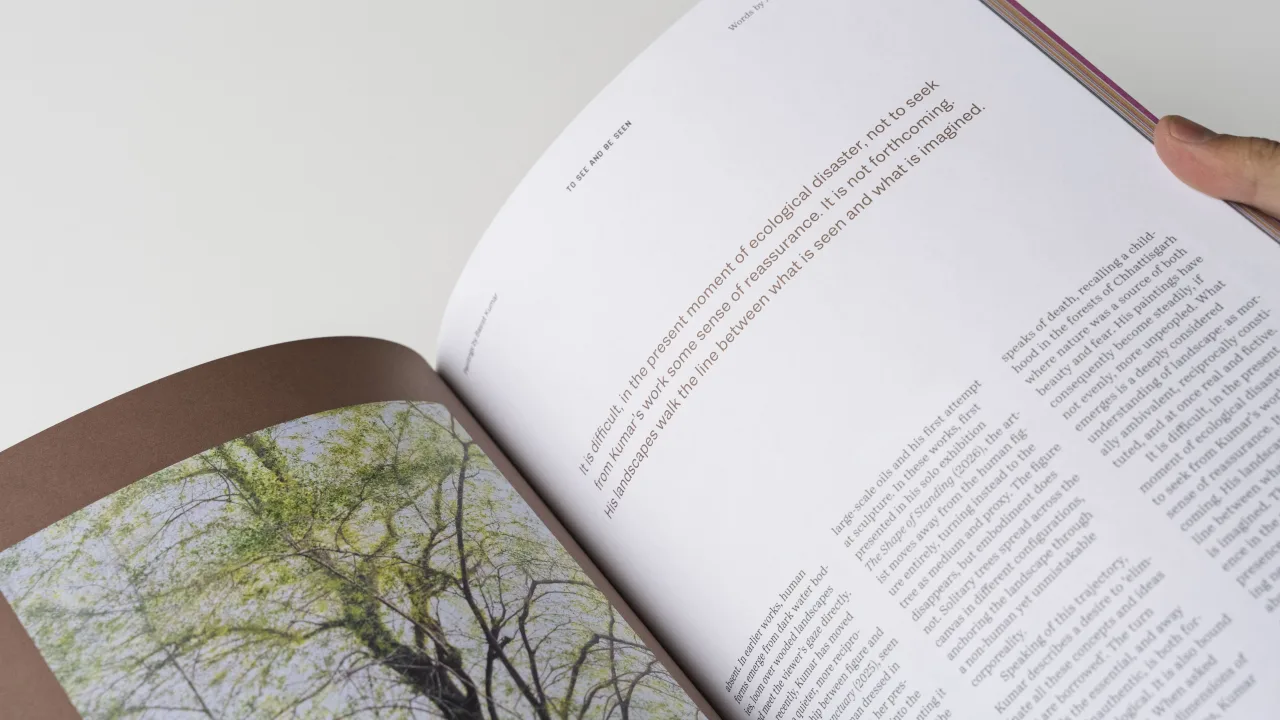
Our inaugural issue focuses on contemporary painting and features more than 20 artists from India and its global diaspora through original essays, profiles and specially commissioned texts.
The magazine allows us to do something different from the website. Online, we can respond quickly. In print, we can slow down. We want each issue to be something worth keeping: a lasting record of contemporary culture rather than simply another publication to read and move on from.
The magazine is only one part of India Contemporary.
Every week, our online editorial will publish a mix of shorter stories and longer-form pieces, introducing readers to people, places, ideas and developments we believe deserve attention. We are interested not only in what is happening, but why it matters.
We also feature Artwork of the Week on Instagram, highlighting individual works and introducing readers to artists and practices they may not yet know.
We don't aim to cover everything. We aim to be selective, focusing on the people, ideas and stories that tell us something meaningful about contemporary Indian culture.
You'll also find all of this in our weekly newsletter. Every Sunday, we'll send a simple guide to the week ahead, including previews of upcoming stories, interviews and features, alongside news from the magazine, events and shop.
What's next? We're already at work on our next issues:
Issue 02 / Spring 2027: HANDMADE
Available February 2027
Issue 03 / Summer 2027: PERFORMANCE
Available May 2027
Work on Issue 04 / Autumn 2027 begins in November. Our autumn issue will always focus on an art-related theme, with each edition exploring its subject in greater depth than we can online.
Events
We're developing a programme of conversations, gatherings and smaller-scale events designed not just to bring people together, but to create opportunities to exchange ideas and participate in conversations around contemporary Indian culture and its global communities.
The Shop
And then there's the shop. We're beginning to work with artists and makers on selected objects and collaborations, creating another way to engage with the people and creative practices we feature. We hope to extend the offer to include a selection of books and catalogues!
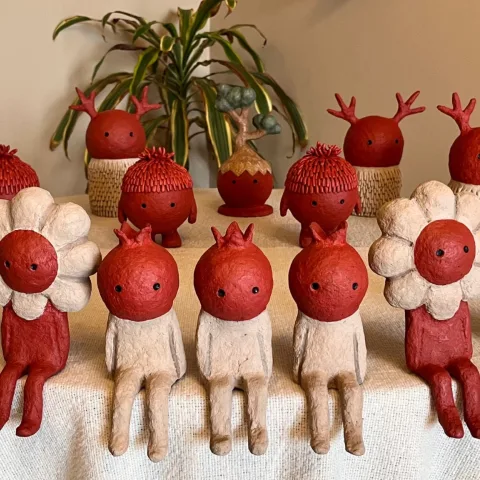
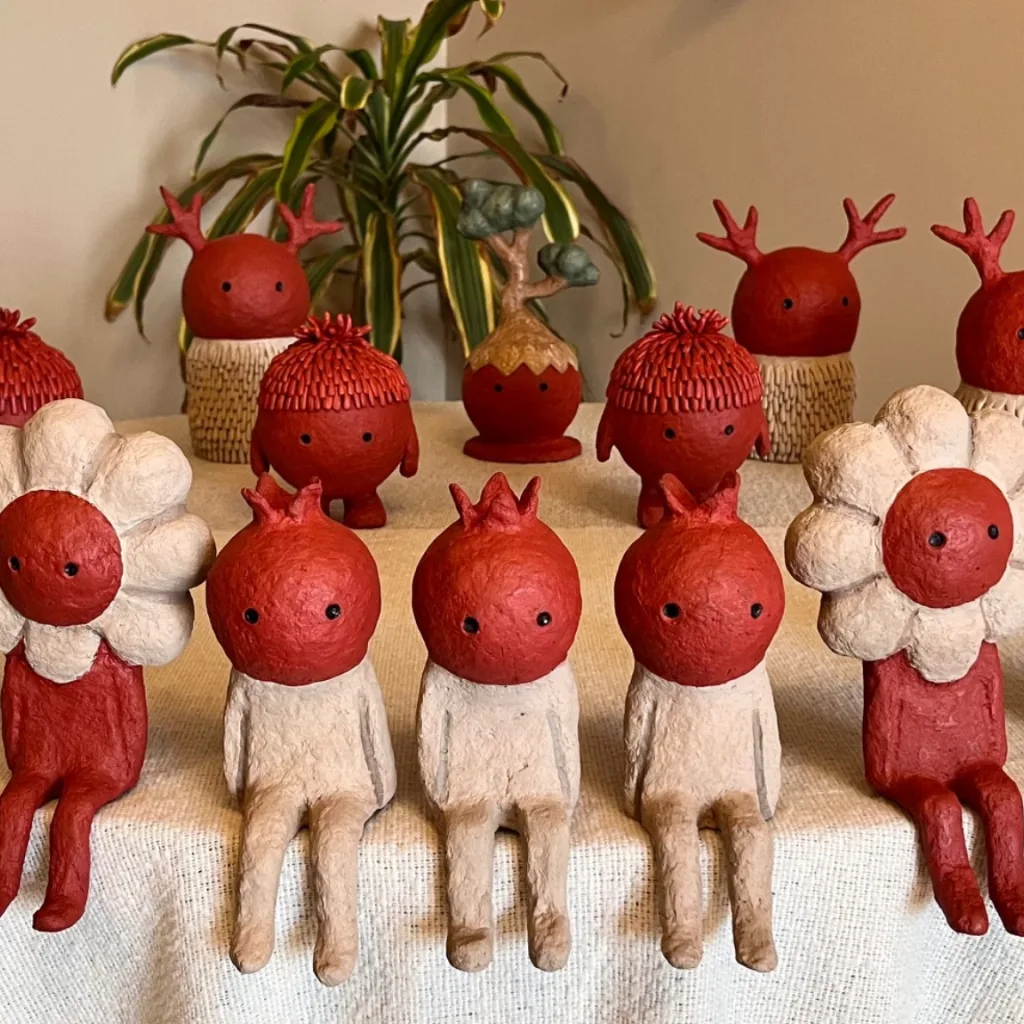
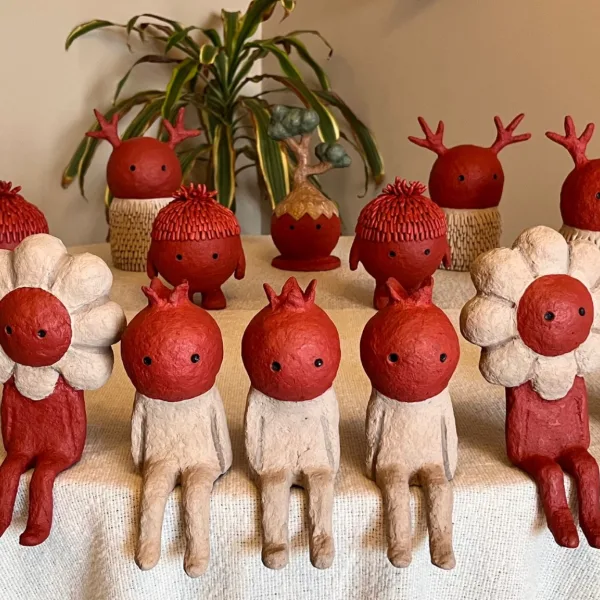
We're starting with the Morom family, created by India-based artist Tanaya Sharma. We hope you love them as much as we do.
India Contemporary is editorially independent and does not rely on advertising. That gives us the freedom to publish what we believe is interesting, important or worth discovering, while creating space for emerging voices alongside established names. That independence depends on our readers.
Digital Membership at £2 per month provides access to deeper digital content, alongside other benefits as the platform develops. We want it to feel like more than access to a paywall. It is a way of supporting an independent cultural publication and becoming part of what we're building.
You can purchase single issues of the magazine (for £25) or, alternatively, you can sign up for a Print Membership (at £60) and receive three issues per year delivered directly to your door.
And, don't forget you can collect the magazine and have full access to the digital content through Print + Digital Membership.
We'll also be announcing our magazine distributors next week, so subscribe to the newsletter to hear the news first.
There is much more to come. You don't need a connection to India. You just need to be curious.
Unless you're a cat.
Best wishes,
Jagdip