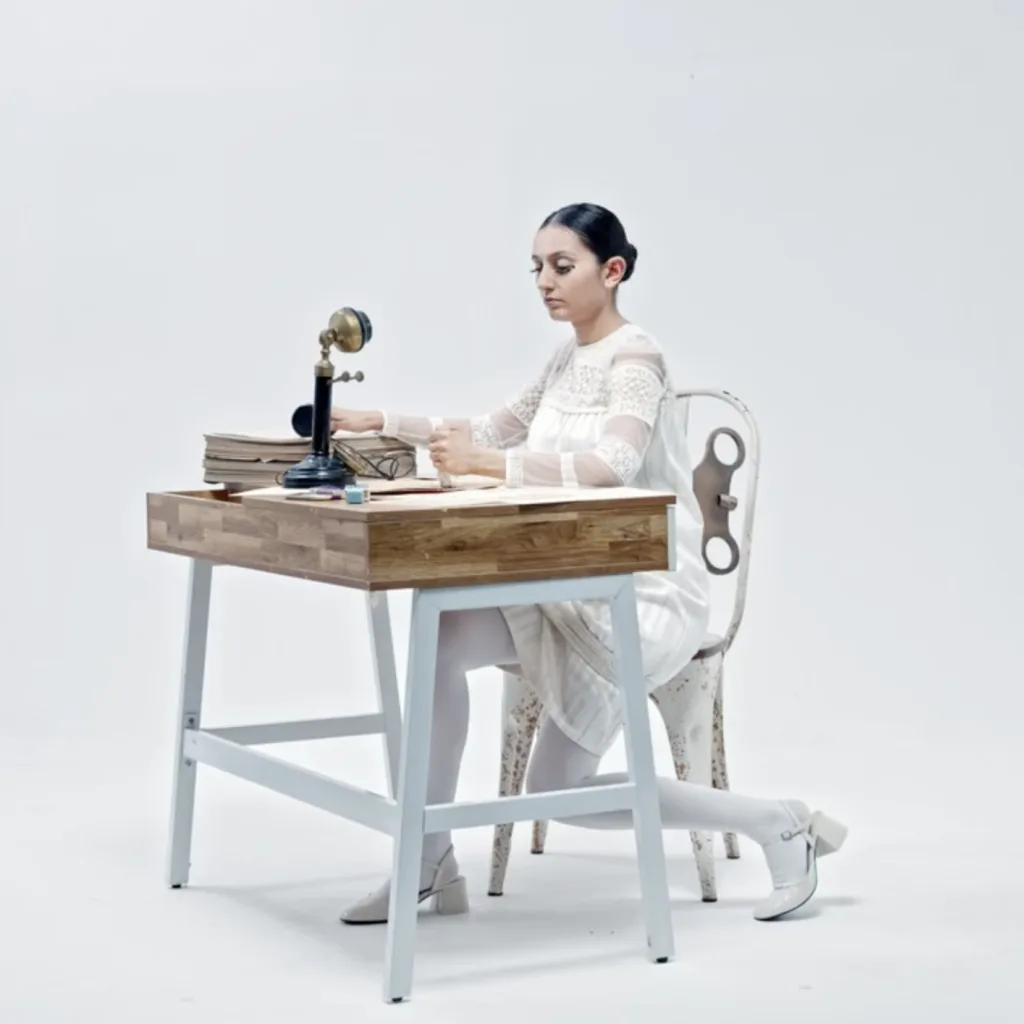
Performance in India has never stayed on a stage. It spills out of temples and wedding processions, classical dance recitals and ritual theatre into everyday life. Bollywood, headquartered in Mumbai, industrialised the spectacle, but lately many people from the industry have stepped outside the film set in search of something more immediate.
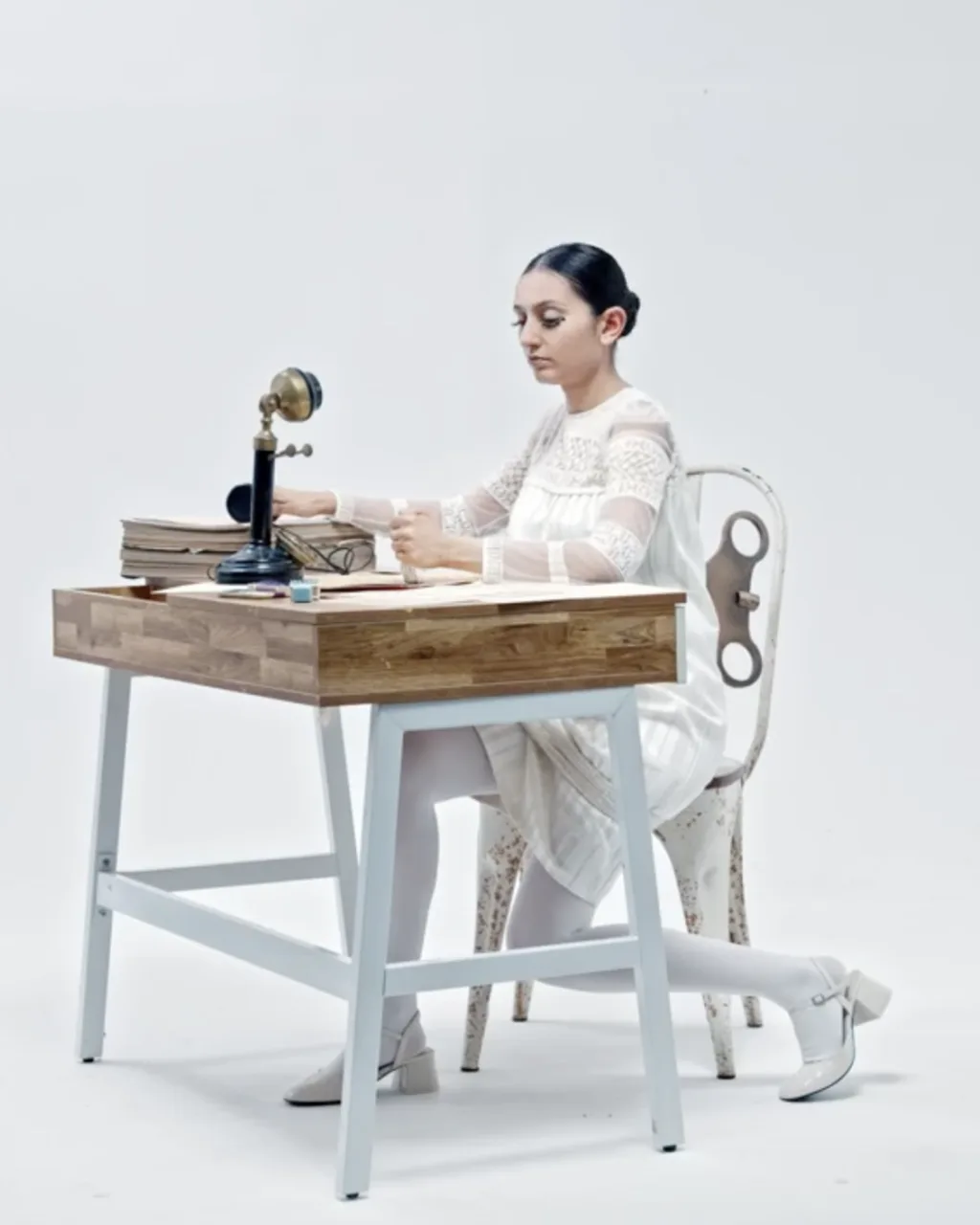
Founded by former filmmaker Nayantara Kotian and actor-writer Prashant Prakash in 2015, Crow has grown into a performance studio powered by a stubbornly independent creative community of actors, writers, set designers, costume designers, choreographers, filmmakers, musicians and technicians, many balancing day jobs while returning here to build strange worlds. “This is our self-created utopia. And our community is everything,” Nayantara says. “They make ridiculous, heroic things possible.”
I’m sitting in their Hauz Khas apartment-studio as the afternoon drifts by. Nayantara is on a call, laptop open, juggling timelines. In the next room, Prashant has taken over the dining table, scribbling in a notebook surrounded by stacks of books and character sketches. Coffee is going cold. Two small dogs, Mooli and Leia, patrol the floor like junior members of the production team.
The story of how they met was slightly accidental. “We were introduced through a mutual friend in Mumbai in 2007,” Nayantara says. Both were voracious readers and hit it off. A few months later, after returning from shooting an Al Jazeera documentary on the Tibetan Olympics in Dharamshala, she came home to find Prashant and their friend, actor Kalki Koechlin, writing and rehearsing a play in her apartment.
They were rehearsing a play called The Skeleton Woman. “I thought it was brilliant but completely unstageable,” Nayantara says. “There were skeleton hands appearing from nowhere. A talking goose.” Kalki had planned to direct the play, but Nayantara felt she had to act in it. “She said, ‘Okay, then you direct it.’ So I did.” They submitted the script to The Hindu MetroPlus Playwright Award. It won, bringing funding and pressure to stage it.
Prashant remembers watching Nayantara take the whole thing apart in rehearsal. “She dismantled our script,” he says. “Pushed us to write new scenes, and most importantly got us thinking about design, about space.” The play ran for about twenty-five performances. “Directing that play changed my life,” Nayantara says. “After that, I almost stopped making films.” Two more plays followed, as the pair slowly developed a shared language for storytelling.
Then Nayantara left for London to study Performance Design at Central Saint Martins. “I spent most of my scholarship on theatre: musicals, circus, tiny pub shows,” she recalls. Prashant stayed back in India, making plays and acting in independent films, what he jokingly calls his “secret Bollywood career.” When Prashant visited Nayantara in London, she dragged him to immersive productions by Punchdrunk. “It was a revelation,” she says. “We realised the audience didn’t have to sit in the dark, they could be inside the story.”
Back in India, the next step felt obvious. “We had to become Crow,” she says, in an ecosystem with little support and few safety nets for performers. The name felt right: intelligent, scrappy, urban birds that survive on whatever they can find.
Over the next two years they moved their base to Delhi, away from Mumbai’s film industry. They also spent time in residence at Akademie Schloss Solitude in Stuttgart, where the early ideas for Crow began to take shape, built around fantastical characters, humour, folklore and the pleasure of building entire worlds for audiences to wander through.
Back home, they began staging ambitious immersive productions in unexpected places, including A Tall Tale (2017) and The Emporium at the Edge of Certainty (2018). Old, crumbling buildings were transformed into layered performance worlds. Audiences––theatre students, designers and curious first-timers––made their way from room to room, drawn into conversations with performers, as they slowly pieced the story together themselves.
The shows ran on foundation grants and often sold out, but they were financially unsustainable. “Performing artists in India struggle to sustain themselves,” Nayantara says. “And we wanted to change that, not just creatively but structurally, so performance becomes not just a passion but a viable livelihood.” Working with brands became part of that strategy. One of their early collaborations, The Floating Market (2016) for the media and entertainment company OML, turned a cricket stadium parking lot into a magical, wandering bazaar.
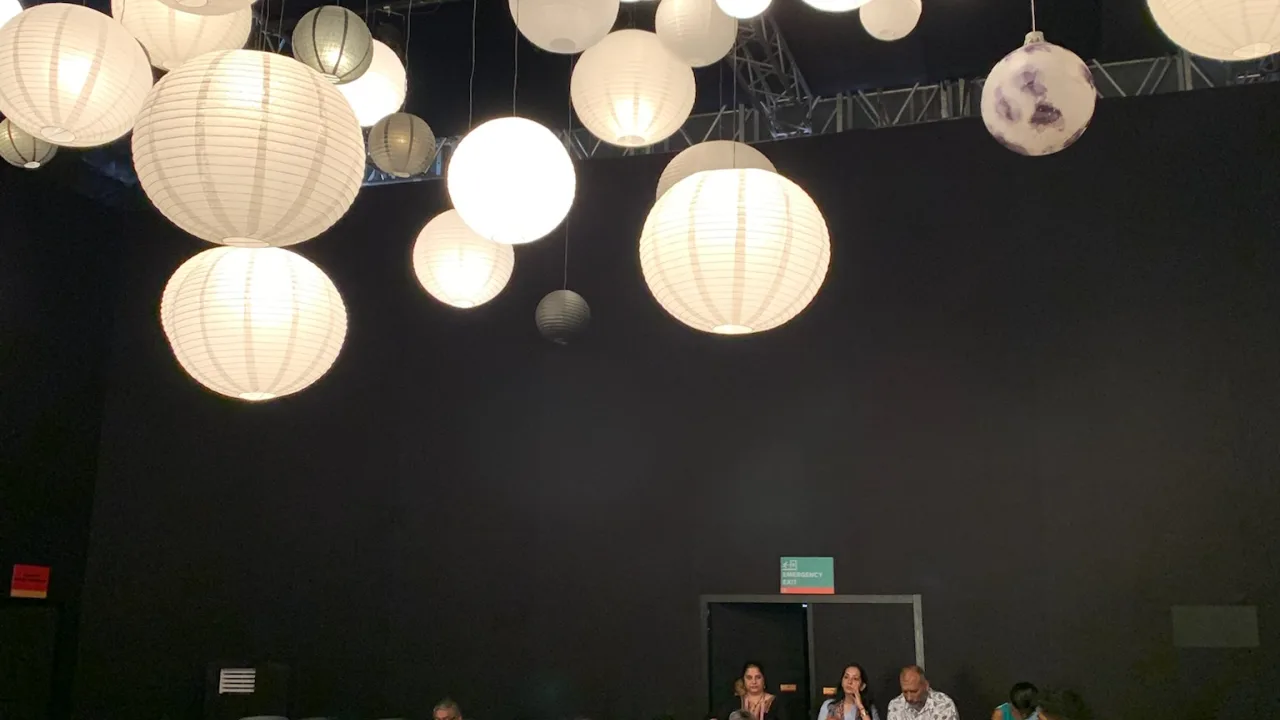
Projects since have ranged widely: surreal living installations embodying dark emotions, conceived for fashion designer Gaurav Gupta; a “transmedia” universe of characters, games and maps guiding visitors, especially children, through the Almondverse (2023), created for Almond House to relaunch the sweet shop brand; and more recently, Song of the Cosmos (2023), commissioned for HSBC, which placed audiences at the centre of a live vocal symphony imagining the creation of the universe.
“Since then,” Nayantara says, “we’ve managed to create a space where story-driven performance is taken seriously. They come for our perspective,” she says. “In many cases, we are their artistic voice.”
Ten years in, their ambitions are widening. They want Crow to become a global studio, collaborating across borders, often with local artists and communities. But the centre of gravity, they say, remains here. “Whatever we build internationally,” Prashant says, “the impact has to be felt at home, in the performing arts ecosystem in India. Otherwise, what’s the point?”
At home, Nayantara is also thinking about how to care for that ecosystem more directly. She hopes to start a mental health fund for artists and crew, a need that became painfully clear during the pandemic. Much like the birds they’re named after, the Crows are already circling the next idea.