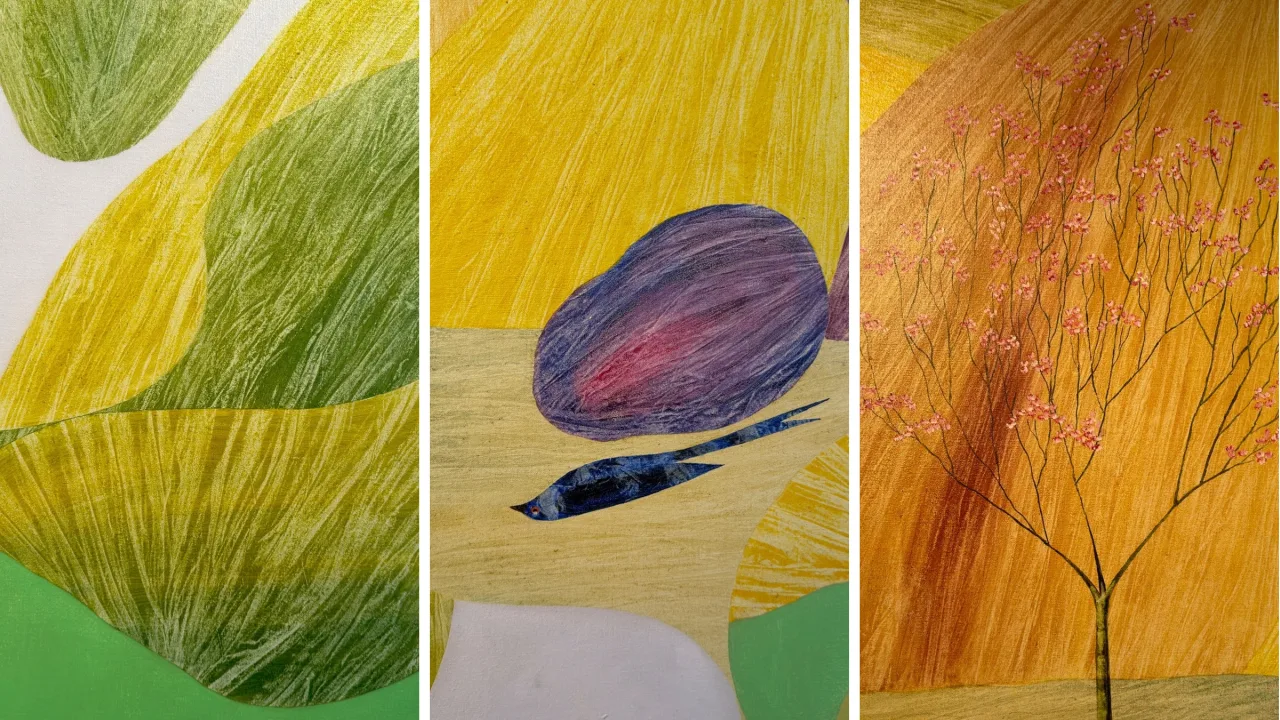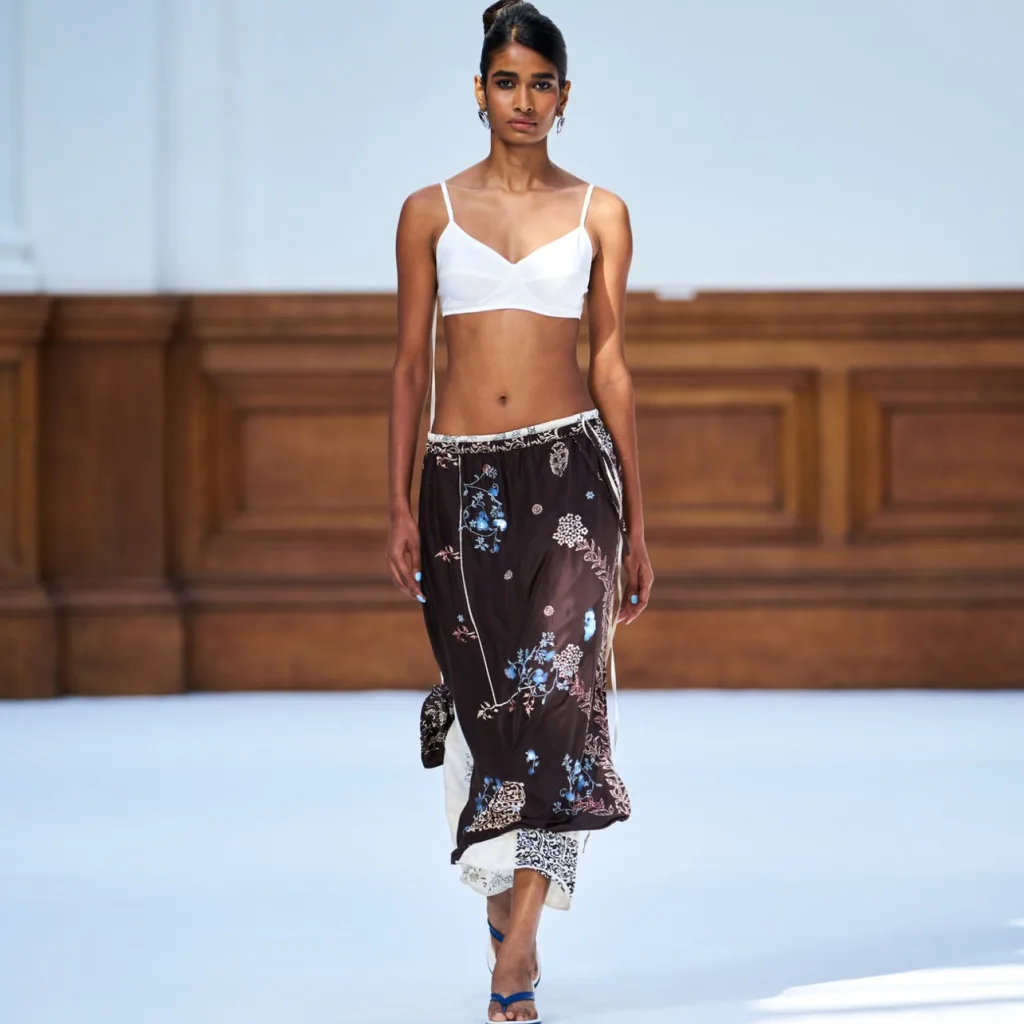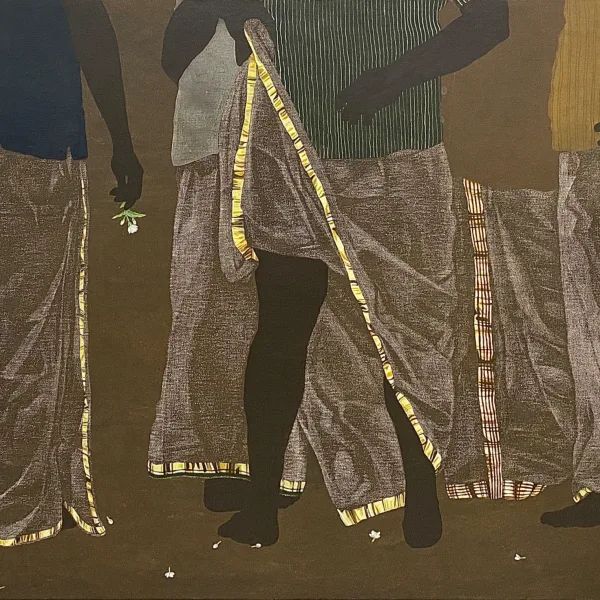
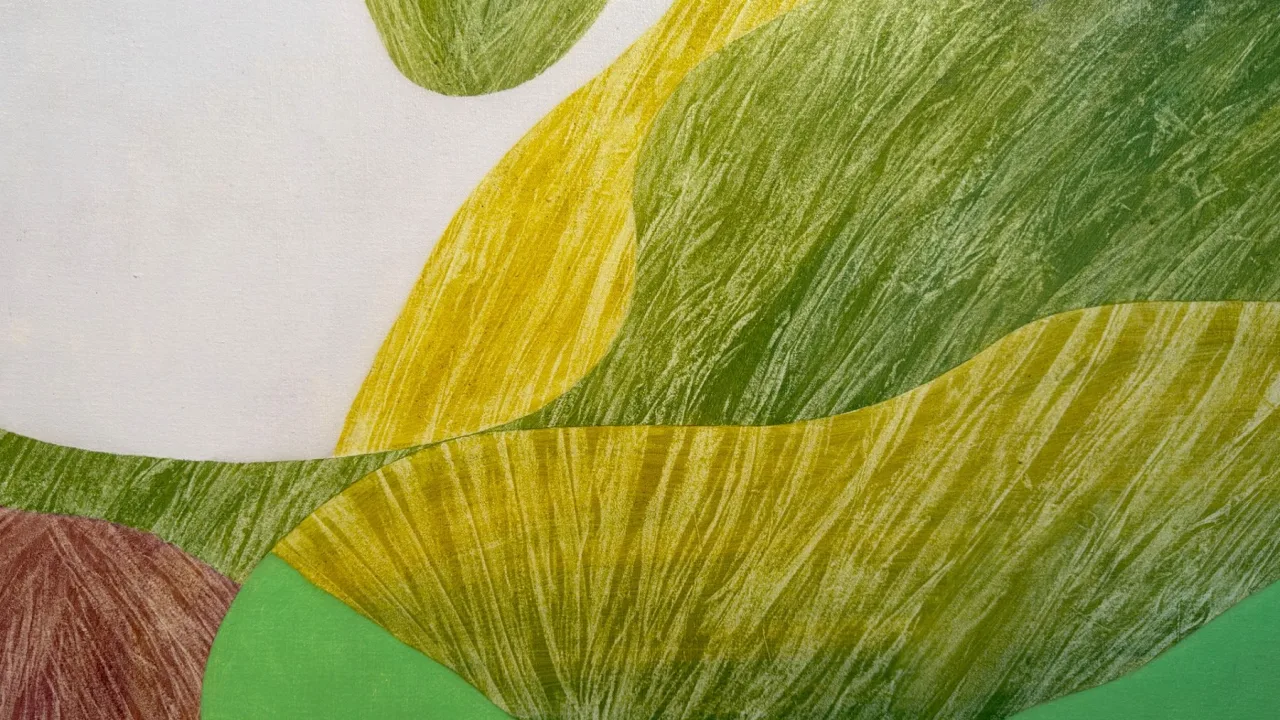
For five weeks, Christie's King Street becomes home to one of South Asia's most significant museum collections. The Meeting Ground: Scenes from the KNMA Collection brings together around 180 works from the Kiran Nadar Museum of Art in an exhibition that offers both an accessible introduction to South Asian art and a timely reflection on the histories and ideas that continue to shape the region.
Curated by Akansha Rastogi with Preeti Bahadur, Avijna Bhattacharya, Premjish Achari and Srinivas Aditya Mopidevi, the exhibition brings together around 180 works by artists from India, Pakistan, Bangladesh and Sri Lanka, ranging from modernist and contemporary practices to folk and indigenous traditions.
The exhibition unfolds through five interconnected scenes that explore memory, migration, labour, borders, the body and artistic camaraderie. Rather than requiring specialist knowledge, the exhibition presents these ideas in a way that is intellectually rigorous yet readily accessible, inviting visitors into a richer understanding of South Asian art.
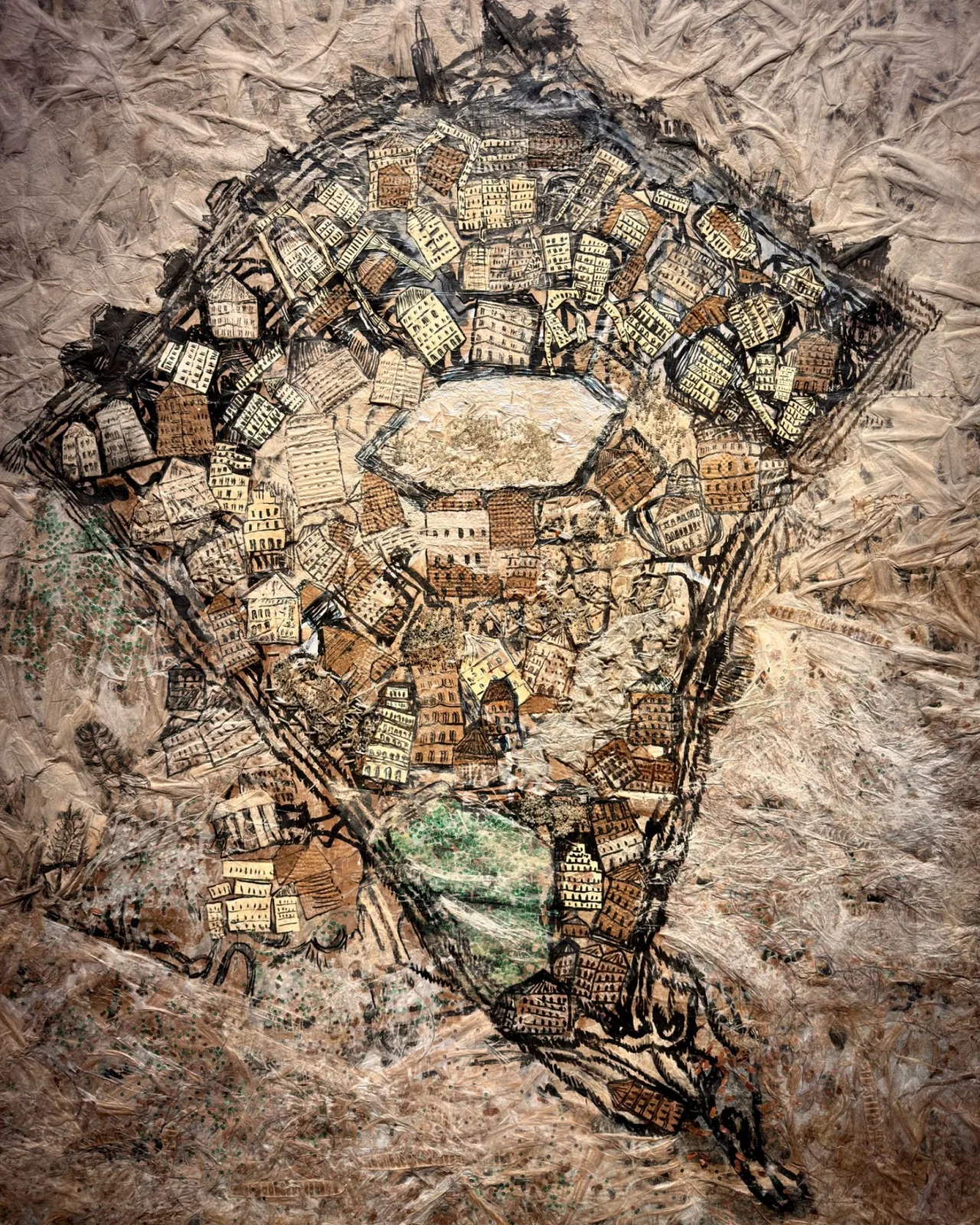
Although each curator was responsible for a distinct episode, the scenes flow naturally into one another. As lead curator Akansha Rastogi explains, the exhibition began with "questions and inquiries around the collection, looking at our own exhibition history as well as going deeper into conversations about the future of the institution, and new ways of working together as curators".
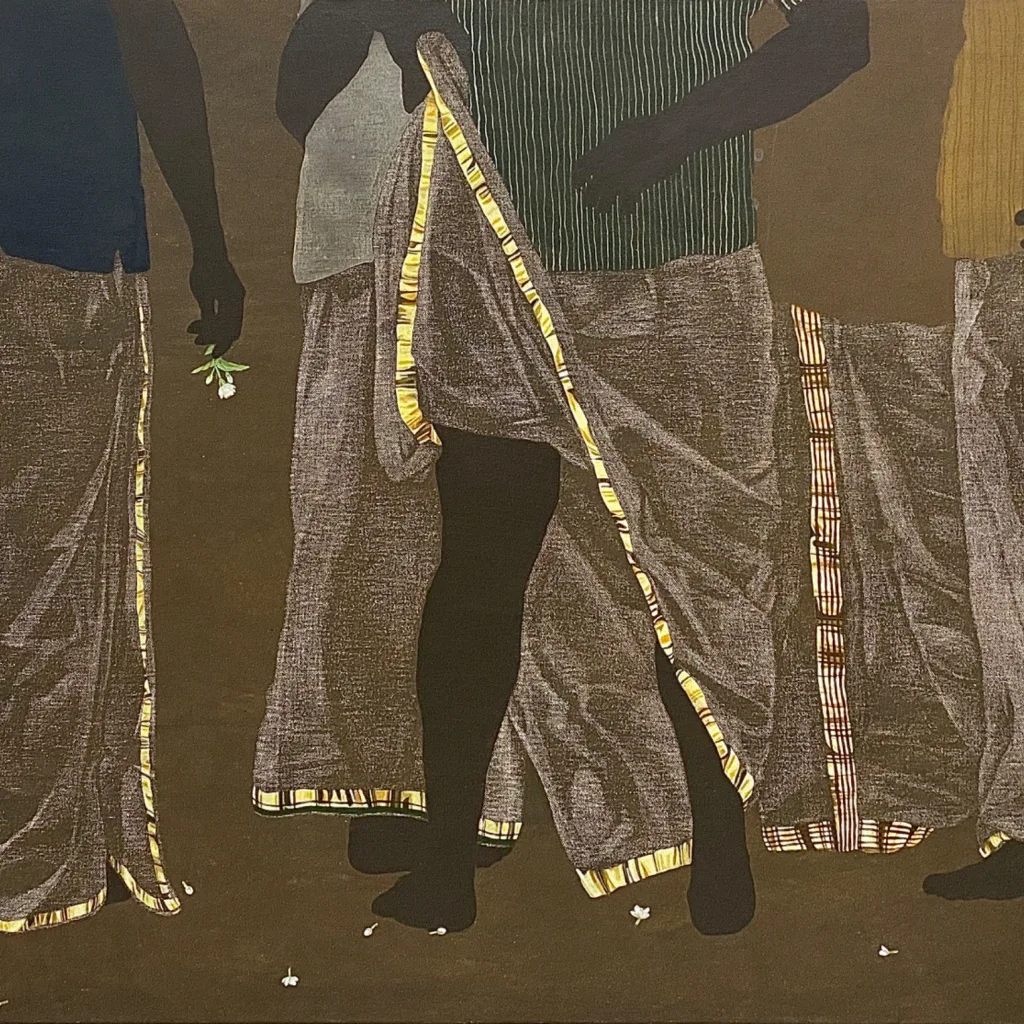
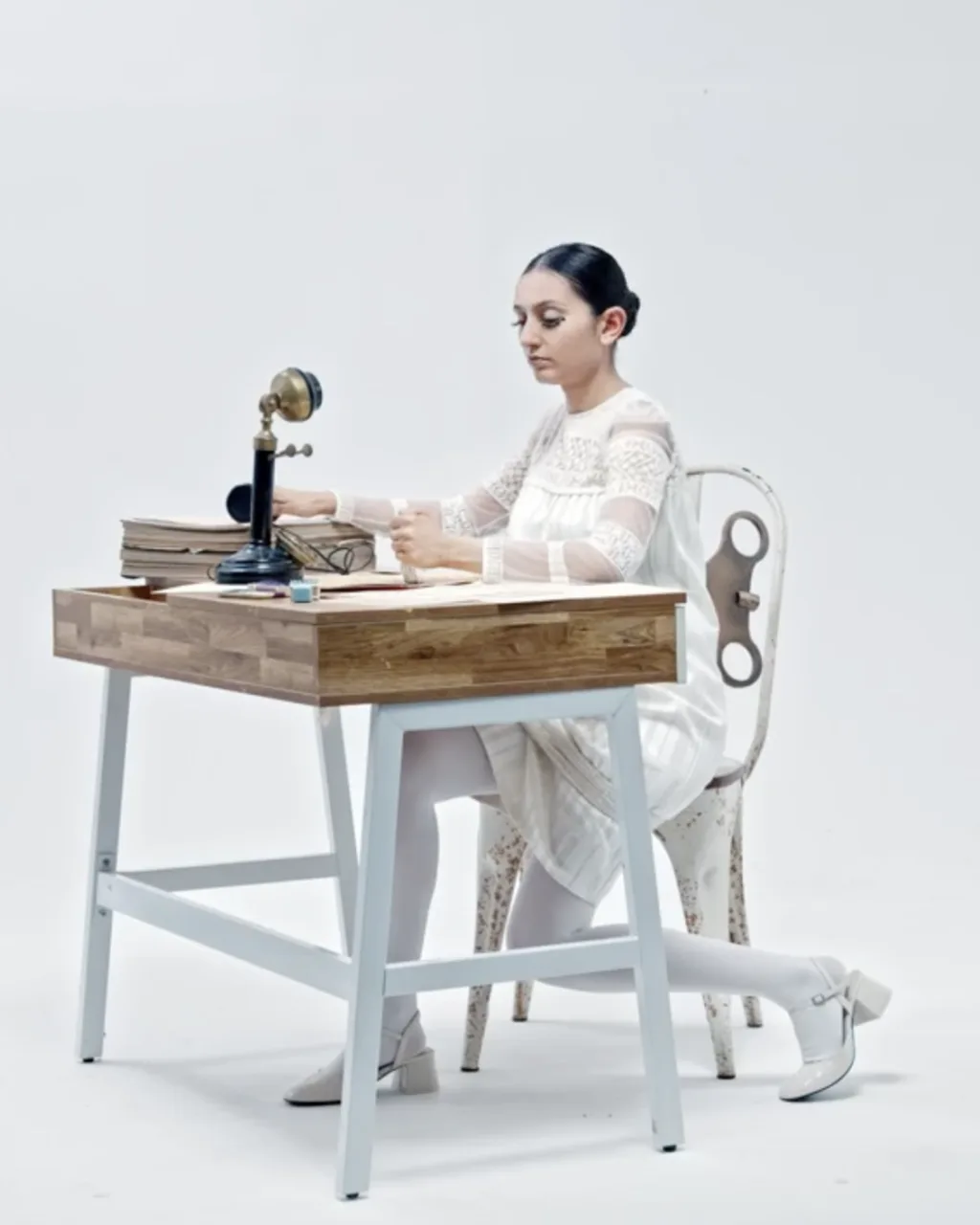
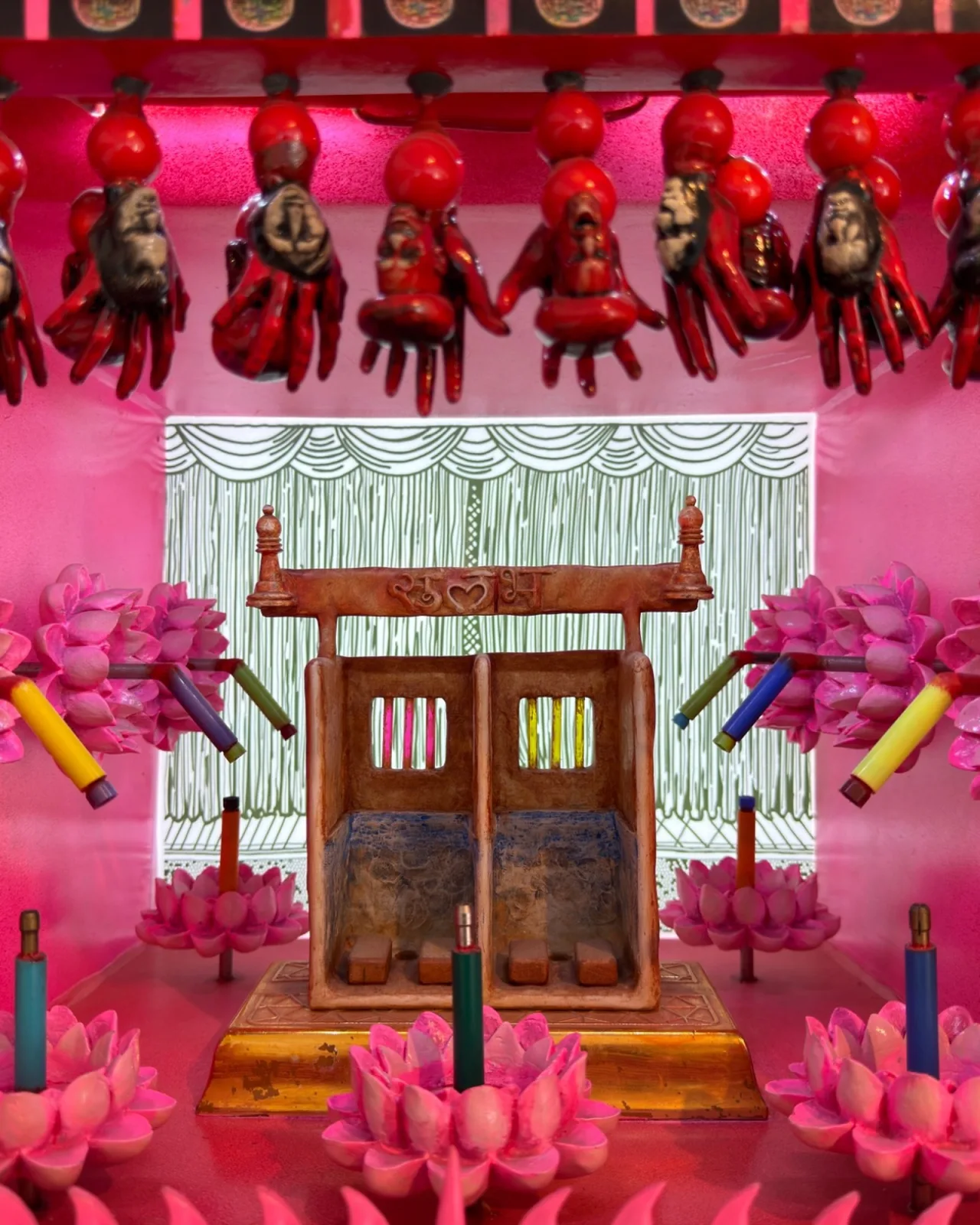
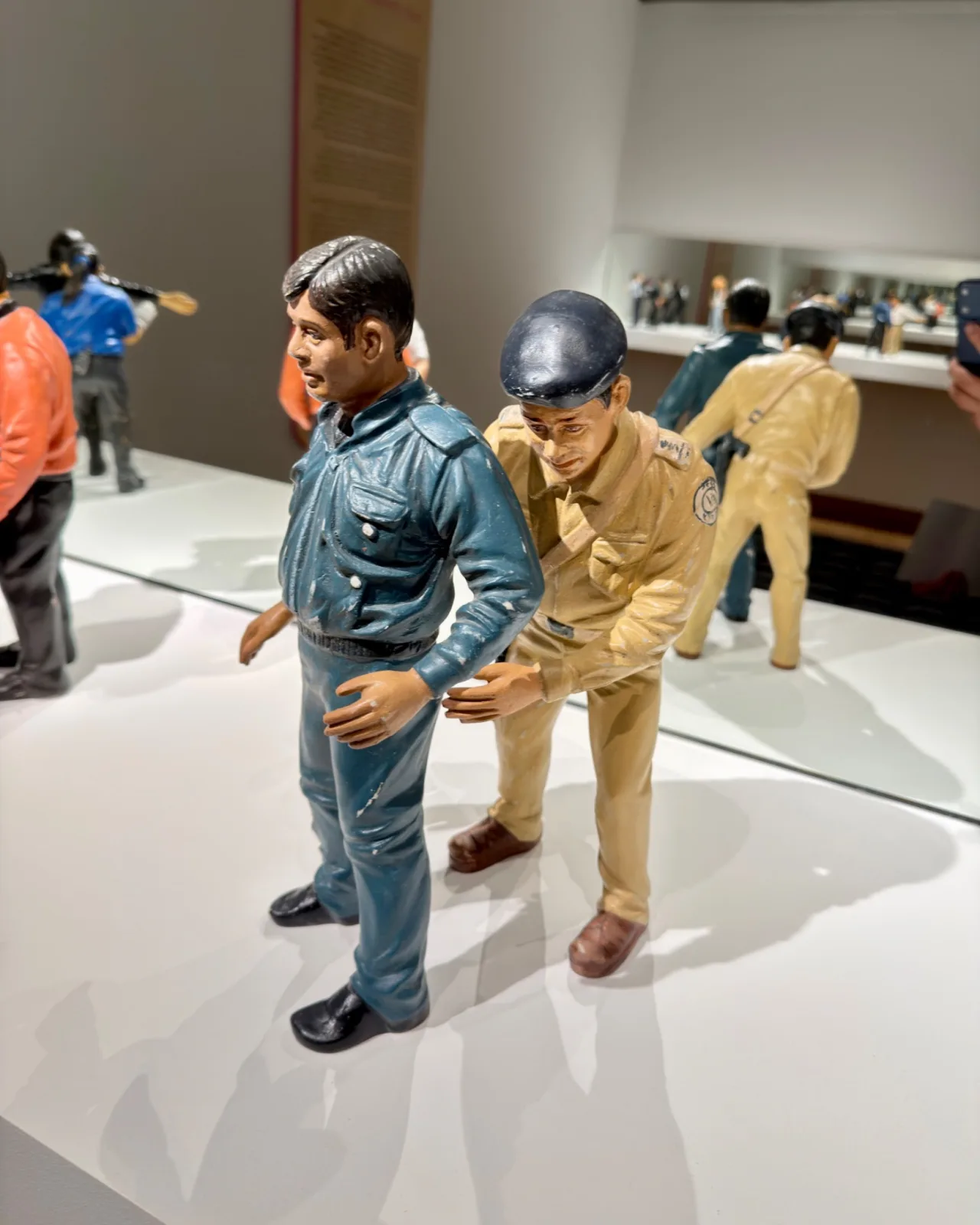
Across Christie's interconnected galleries and corridors, visitors encounter works by modernists including Akbar Padamsee, Jeram Patel K. Ramanujam and K.G. Subramanyan alongside contemporary artists such as Anant Joshi, Gauri Gill, Kulpreet Singh, Manjunath Kamath, Neha Choksi, Pushpamala N and Sonia Khurana.
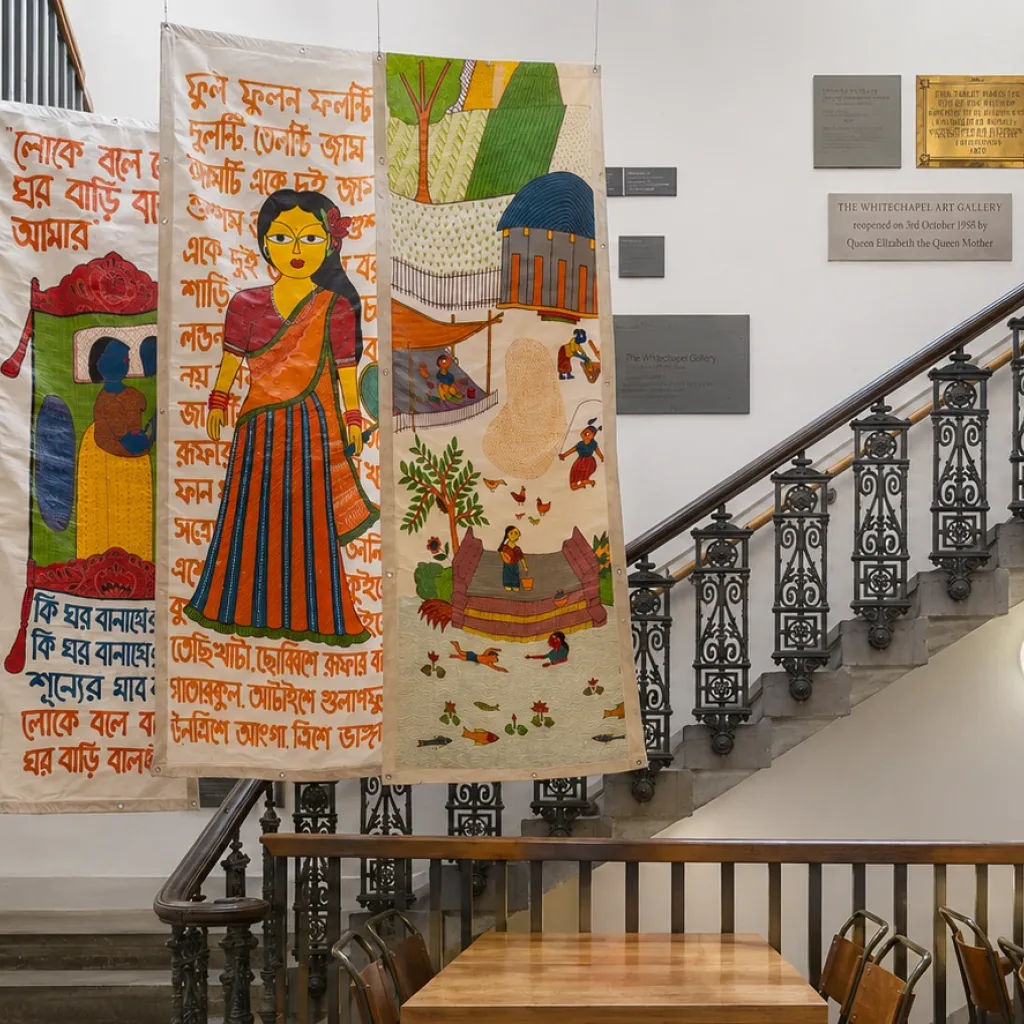
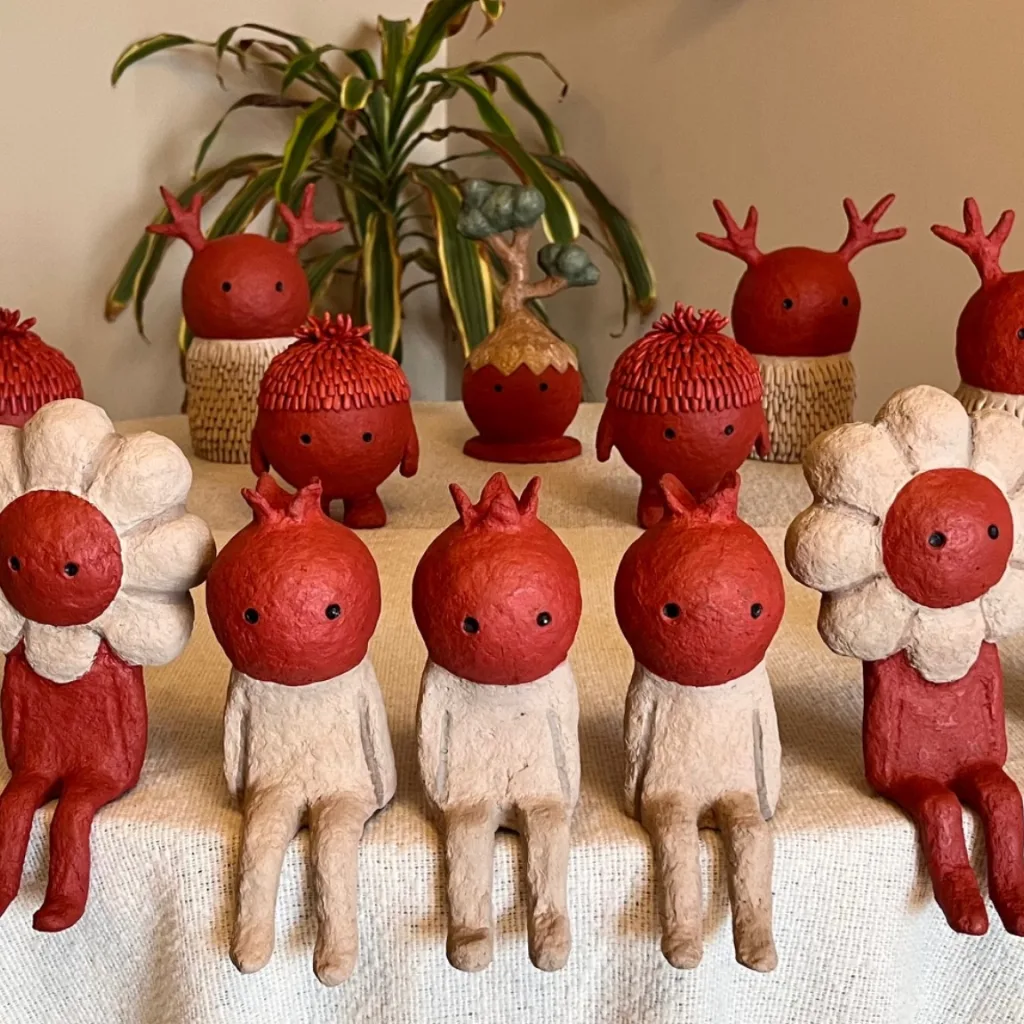
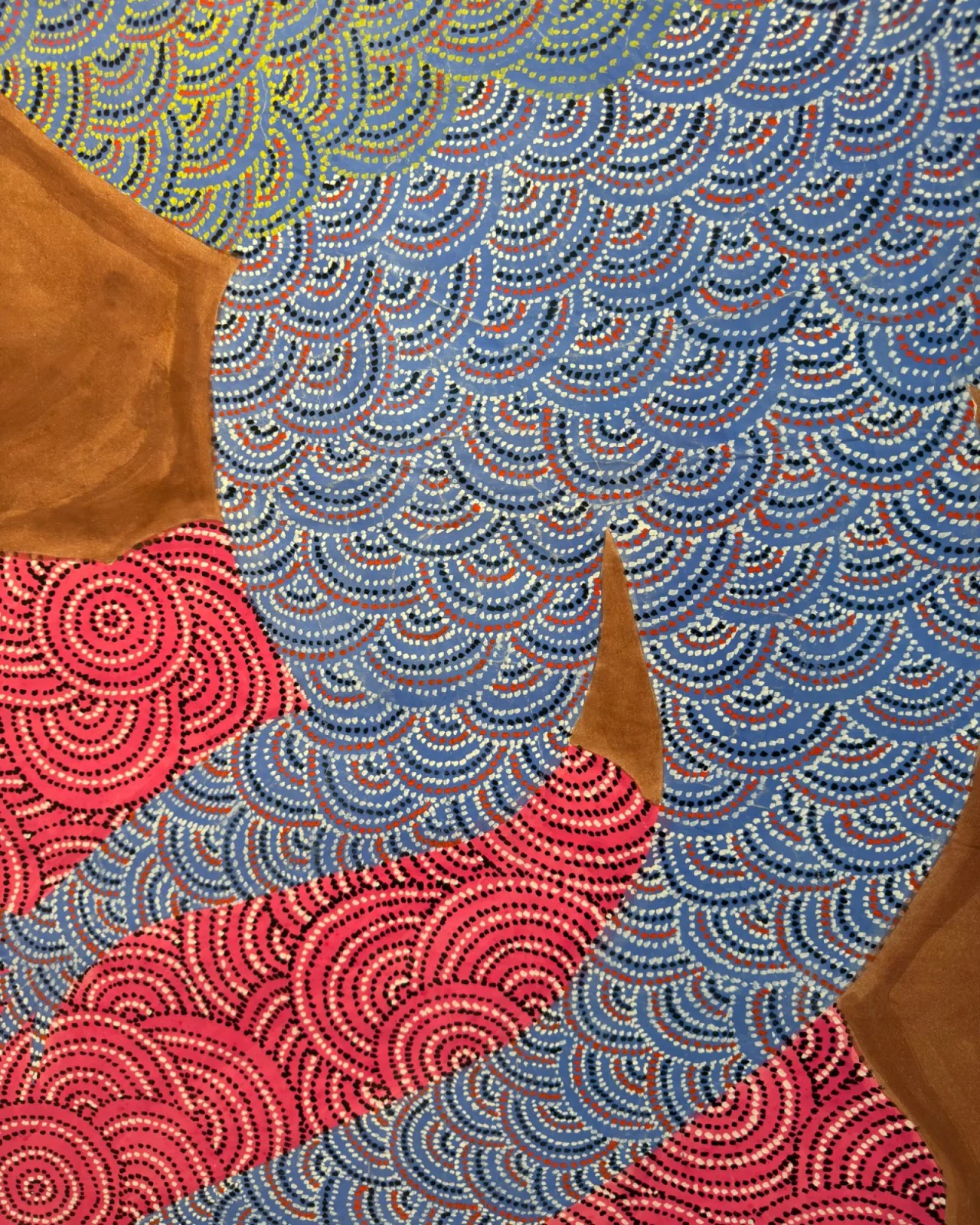
One of the exhibition's defining qualities is the prominence it gives to practitioners from Gond, Warli and other folk and indigenous traditions, including Jangarh Singh Shyam and Jivya Soma Mashe. Rather than treating these practices as peripheral or separate, the exhibition places them in dialogue with modern and contemporary art, underscoring their centrality to the story of South Asian artistic practice.
Works by artists including Anoli Perera, Anwar Jalal Shemza, Bani Abidi, Naeem Mohaiemen, Rasheed Araeen, Zainul Abedin and Zarina Hashmi, extend the exhibition's dialogue across Bangladesh, Pakistan and Sri Lanka, foregrounding migration, displacement, multiple homelands and the fluidity of borders. Together, their work presents South Asia not as a fixed geography but as a region shaped by shared histories, movement and cultural exchange.
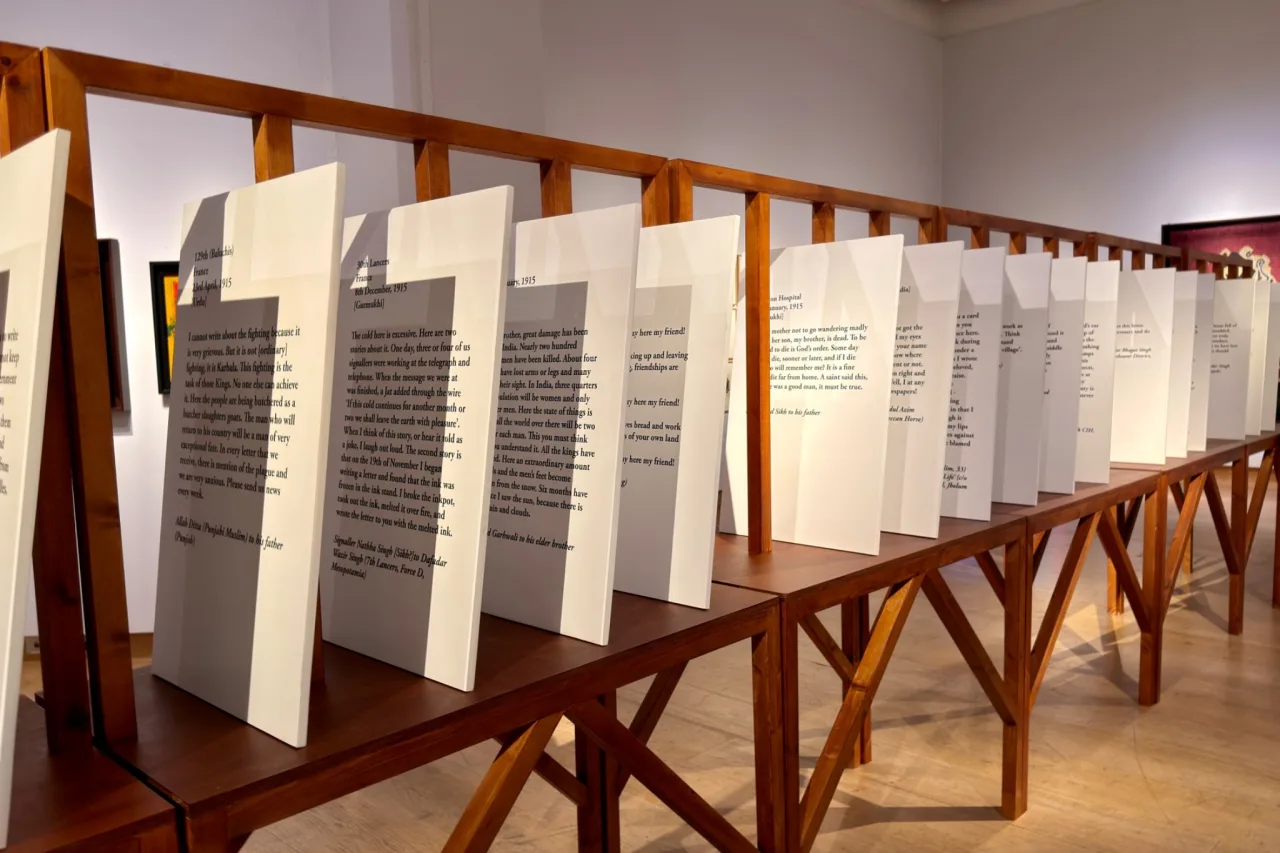
By dedicating its entire King Street galleries to the exhibition (including its columns and external windows) and supporting a public advertising campaign beyond the venue, Christie’s has created an unusually prominent platform for the Kiran Nadar Museum of Art (KNMA) to present the depth of its collection outside India. In doing so, it broadens public engagement with South Asian art while challenging the familiar ways in which South Asian art has often been presented and understood or, in some cases, not understood at all.
KNMA, a private museum founded in 2010 by Kiran Nadar and supported by the Shiv Nadar Foundation, is based in Saket, New Delhi, where it presents free exhibitions throughout the year alongside a public programme for children and adults. Its planned new space will significantly expand that mission, bringing together visual art, performance, learning and public engagement within a multidisciplinary cultural campus.
The Meeting Ground demonstrates not only the breadth of artistic practice across India, Pakistan, Bangladesh and Sri Lanka, but also the remarkable depth of the KNMA collection, which comprises more than 16,000 works. If this exhibition offers even a glimpse of what awaits visitors at the museum's forthcoming 100,000-square-metre cultural complex in Delhi, it suggests that the institution's next chapter will be one of global significance.
The Meeting Ground: Scenes from the KNMA Collection is on view at Christie’s King Street, London, from 16 July to 21 August 2026. Admission is free. Visitors requiring accessibility information are advised to contact the venue in advance