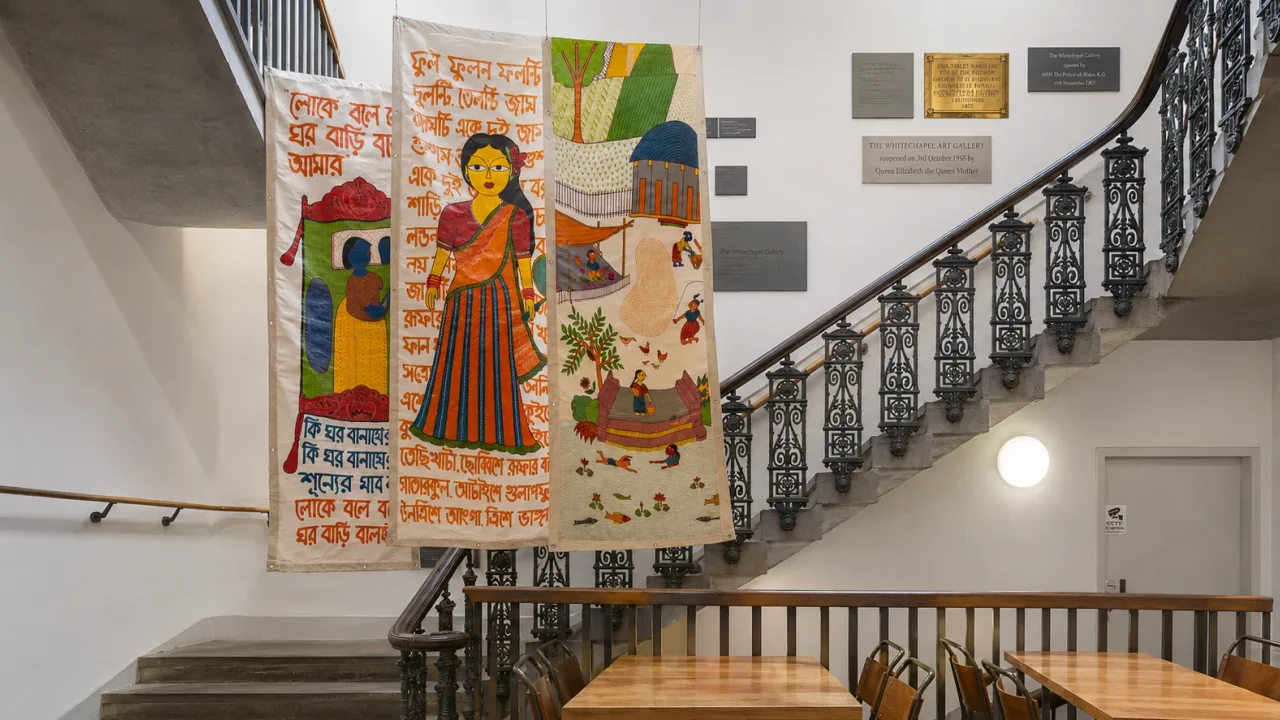
This week, East London becomes the setting for a different kind of biennial. Rather than concentrating art within a single exhibition, Backyard Biennial: East, launched by the Whitechapel Gallery to mark its 125th anniversary, unfolds across neighbourhoods, studios, libraries, places of worship and community spaces. Conceived as an eight-week pilot project, it asks what a biennial can be when it begins with a place rather than a spectacle.
Running from 15 July to 6 September, the free programme spans more than 40 venues, bringing together exhibitions, performances, screenings, workshops, walks, open studios and community-led projects. Instead of centring on a single curatorial theme, the inaugural edition takes the East End itself as its subject, exploring histories of migration, political activism, craft, music and neighbourhood life.
Among the Biennial's standout programmes is TUFAN, an eight-week residency, exhibition and public programme presented by the Tower Hamlets-based Bengali arts and heritage organisation OITIJ-JO Collective. Through contemporary art, craft, performance, film and music, it explores Bengali identity while reflecting the histories of one of Britain's largest Bangladeshi communities.
Founded to increase the visibility of British Bangladeshi artists and creative practitioners, particularly women, OITIJ-JO Collective has consistently championed art as a space for cultural continuity, exchange and collective memory. For a biennial rooted in East London, placing a Bengali-led organisation in a curatorial role feels especially significant, allowing the community to shape its own narratives rather than simply being represented within them.
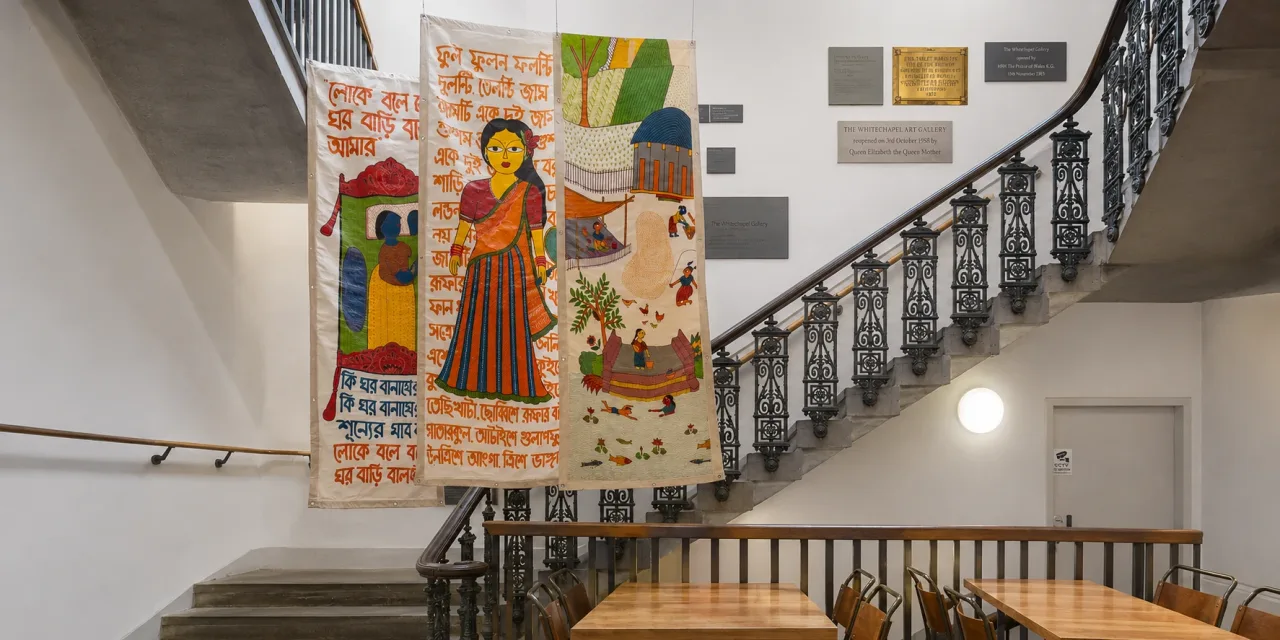
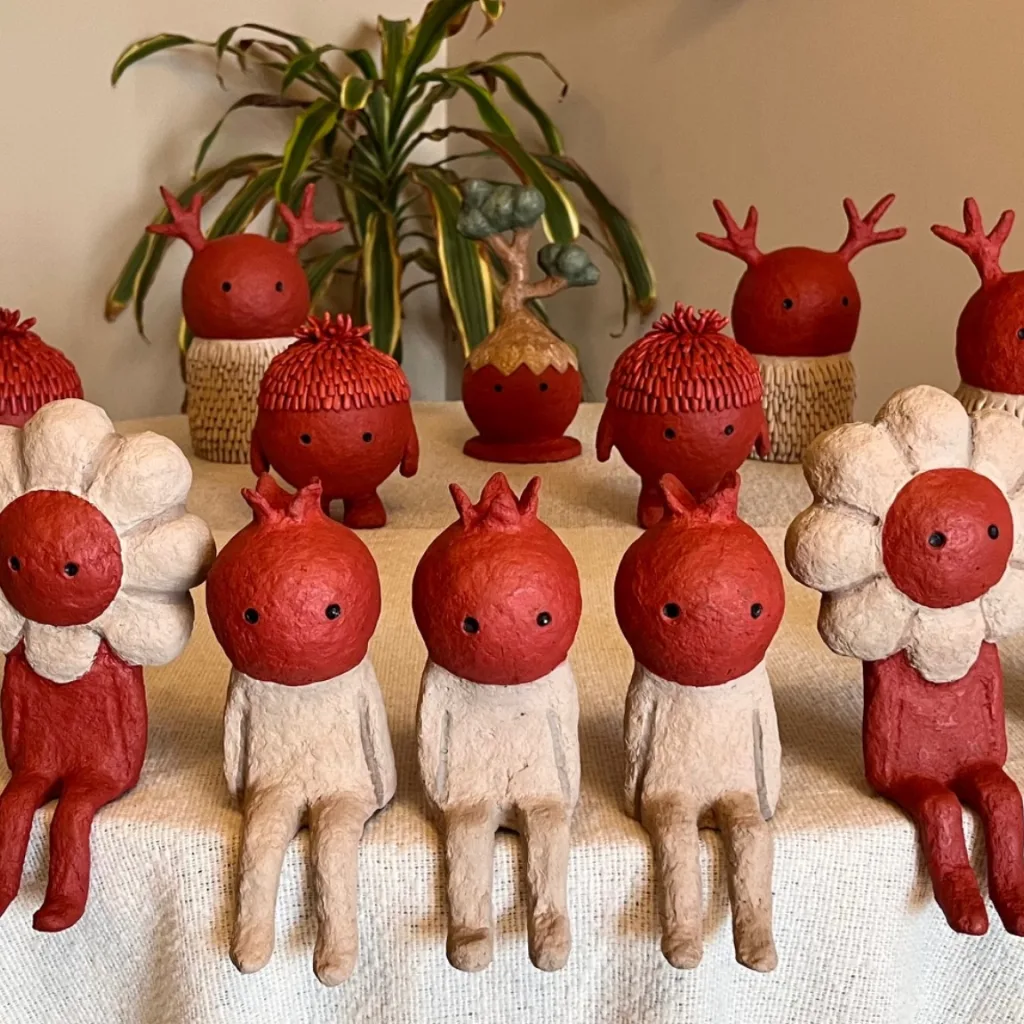
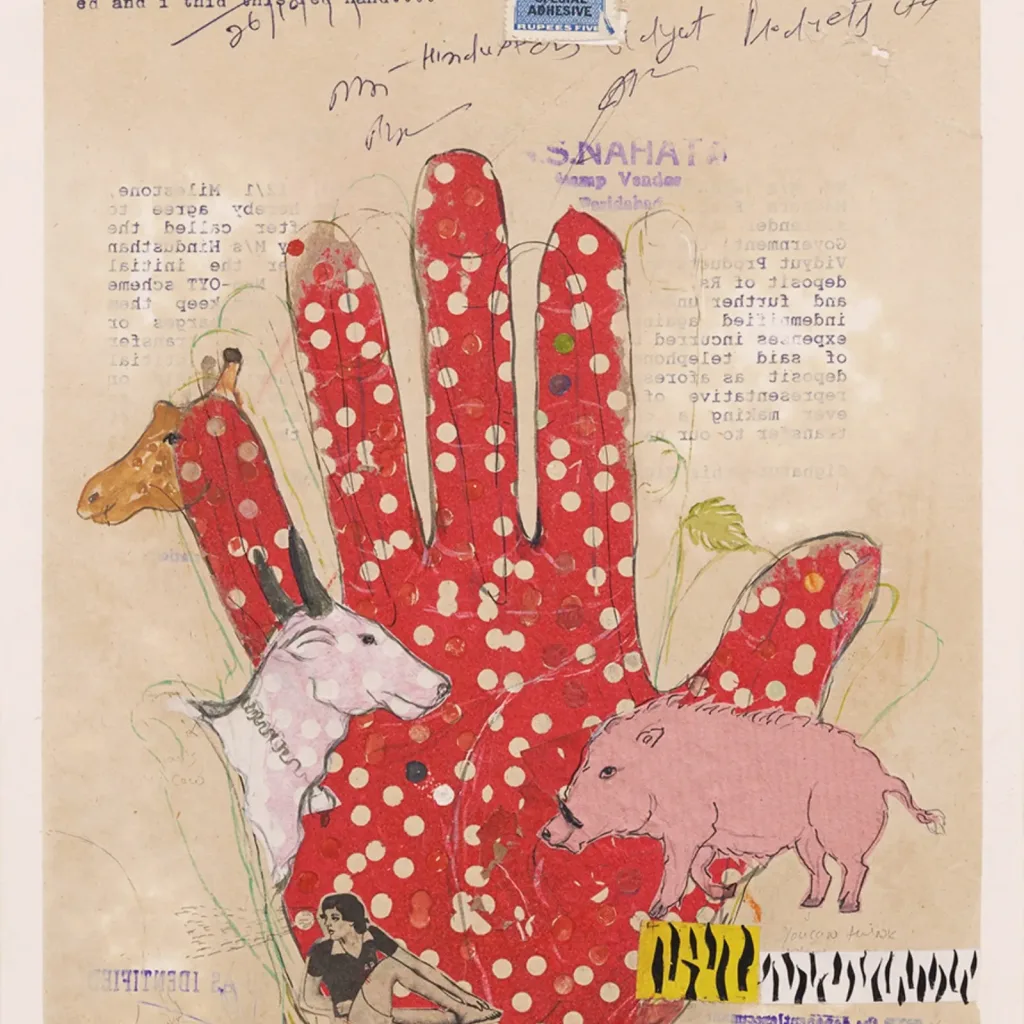
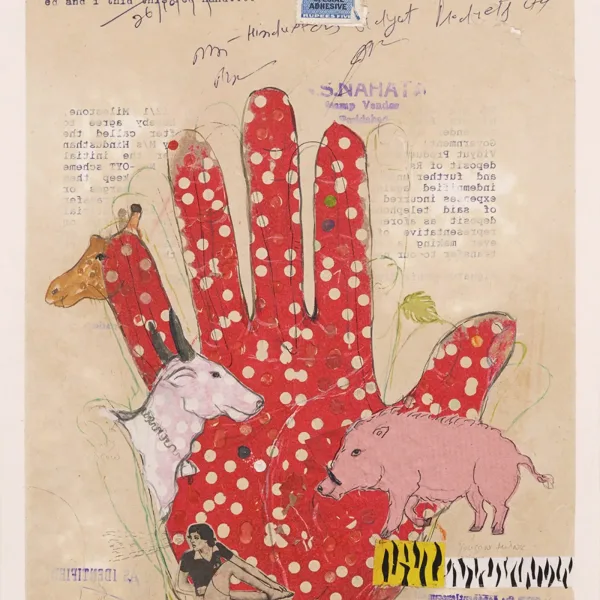
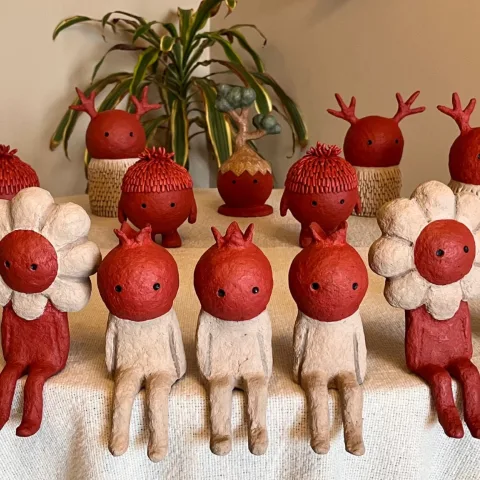
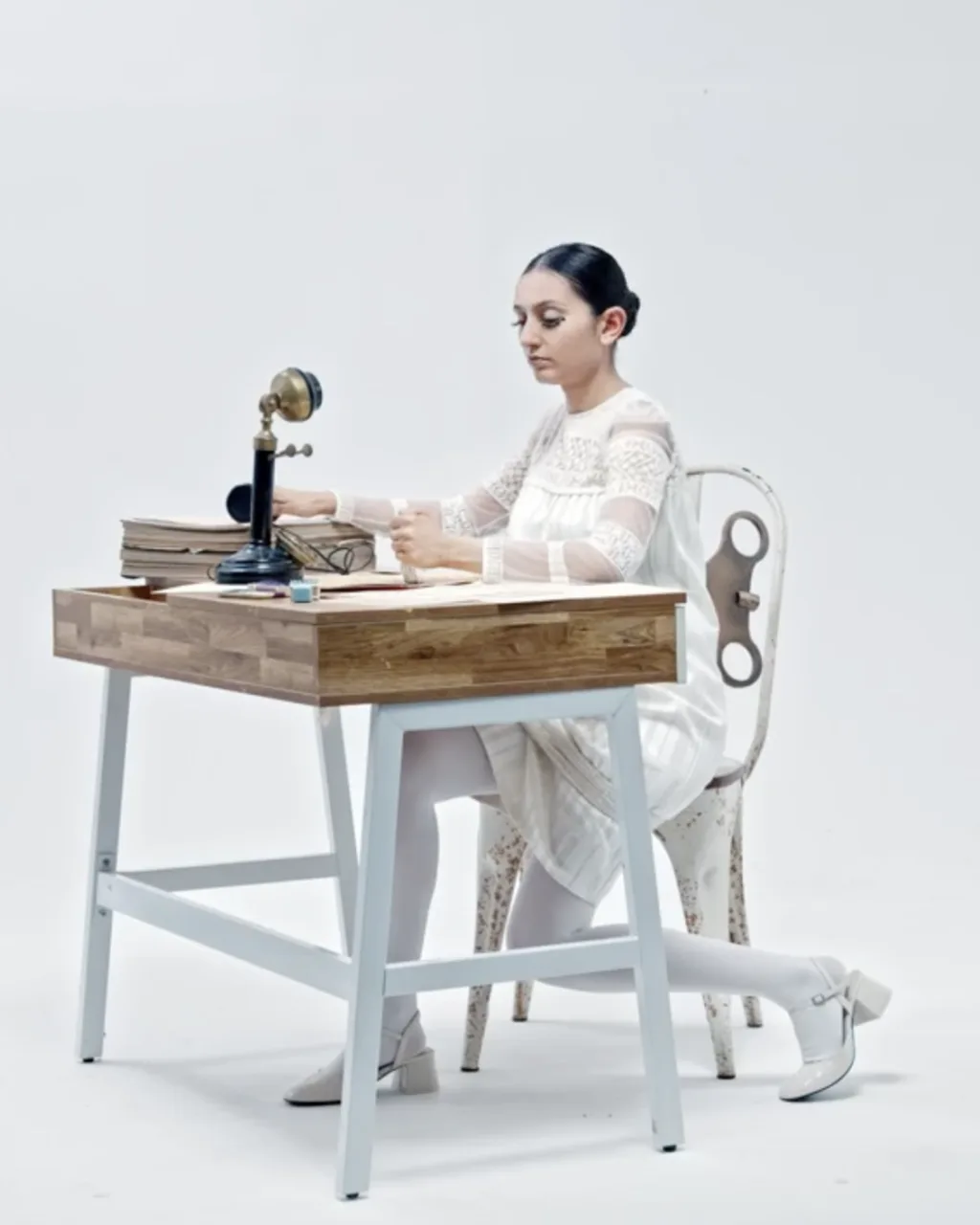
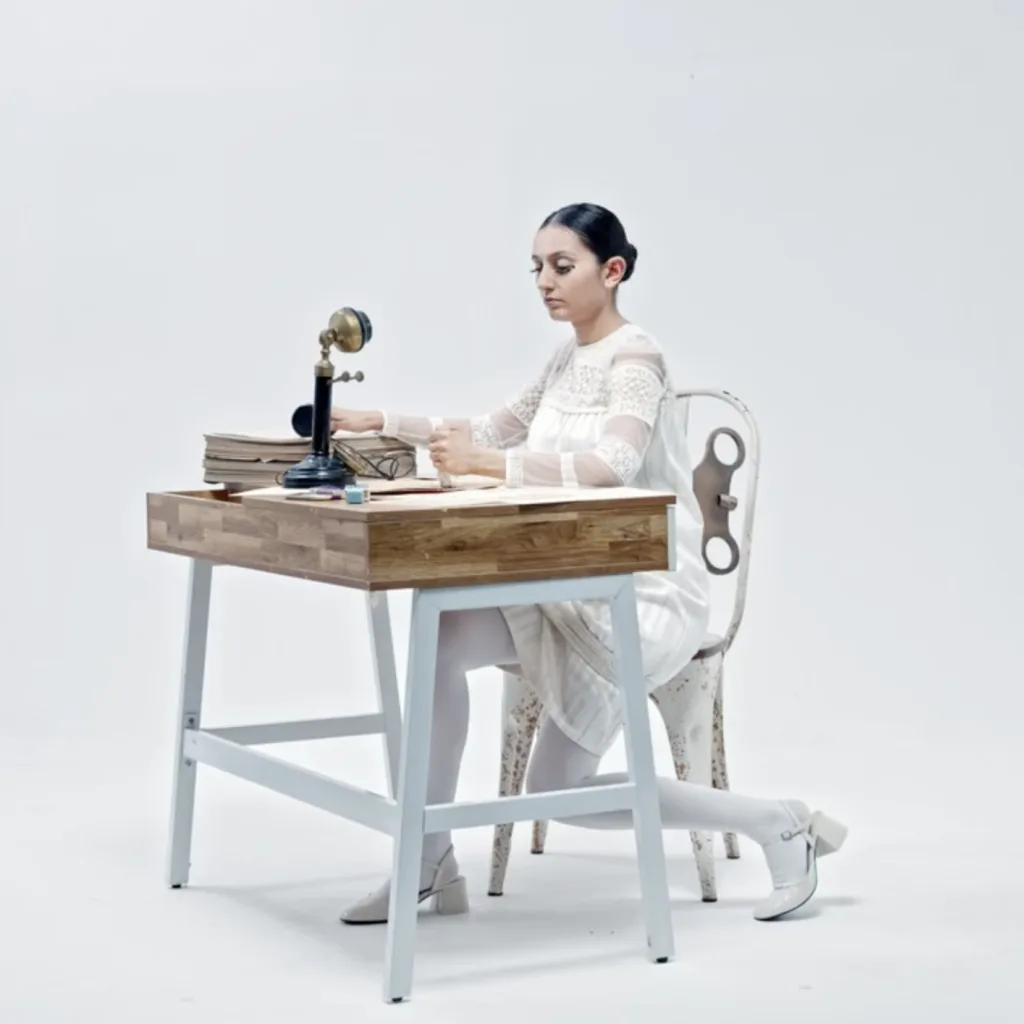
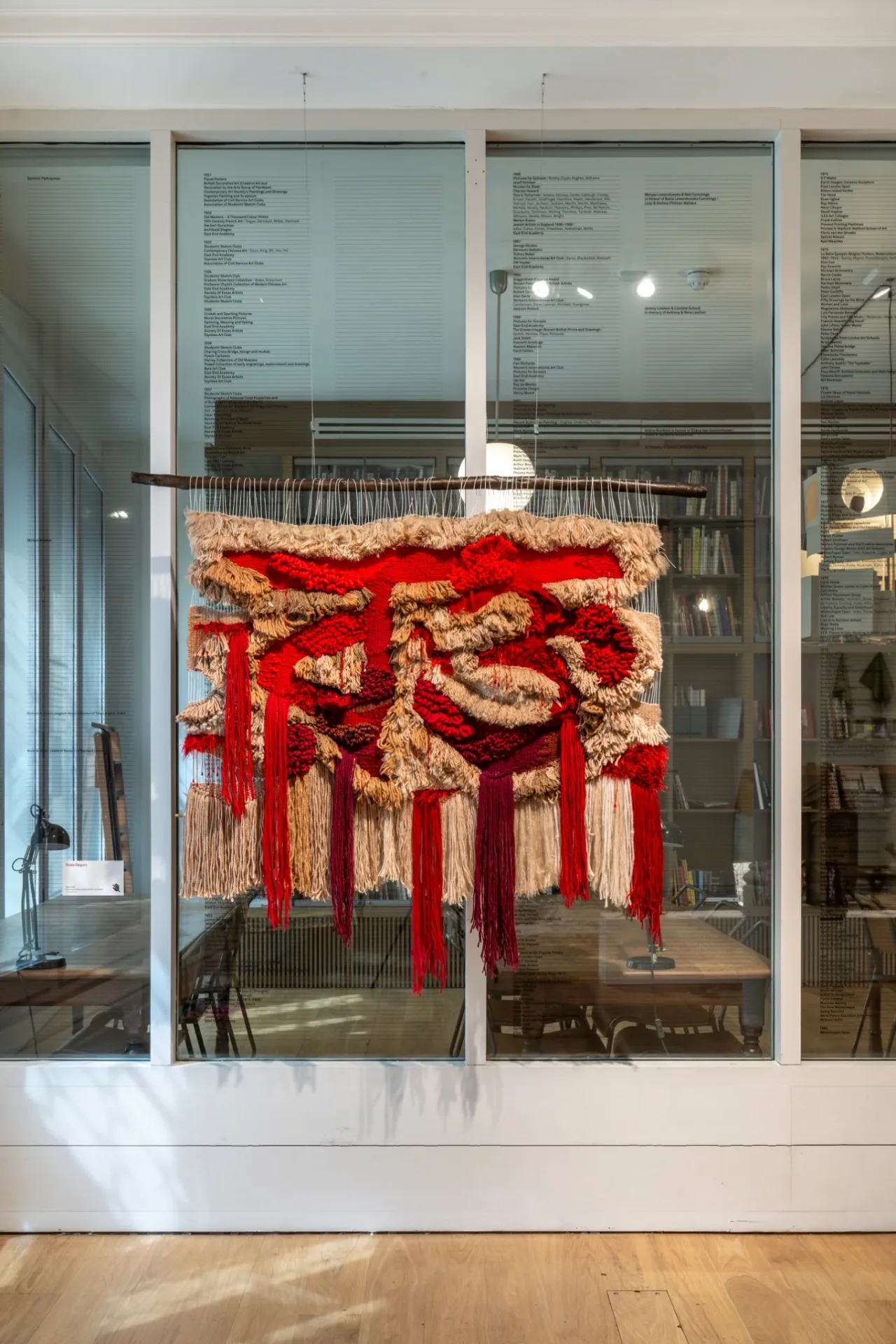
At the heart of TUFAN is a group exhibition bringing together seven Bengali artists working across textiles, installation, sculpture, participatory practice and performance: Rukia Begum, Puer Deorum, Laisul Hoque, Jannat Hussain, Shumaiya Khan, Rezia Wahid and Anisah Yaminah. Together, their practices reflect the richness and diversity of contemporary Bengali artistic expression.
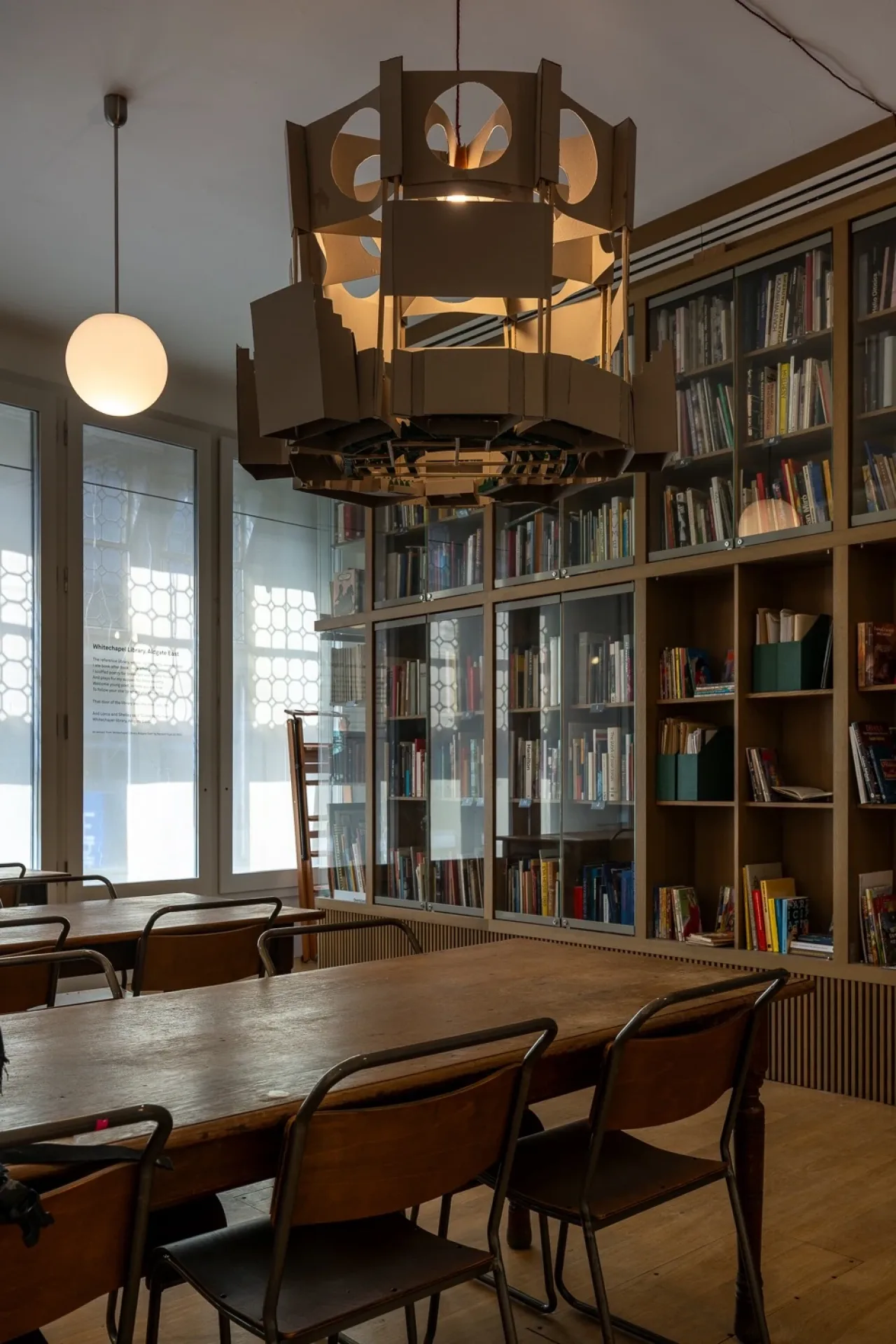
Visitors can join weaving workshops with Rukia Begum, textile sessions led by Rezia Wahid and yarn sculpture workshops with Anisah Yaminah. Jannat Hussain's participatory performance, A Bead for Remembering, invites audiences to contribute to a collective act of storytelling, using shared memories as both artistic material and cultural archive.
Rather than remaining within gallery walls, TUFAN extends into a public programme that encourages visitors to participate as well as observe.
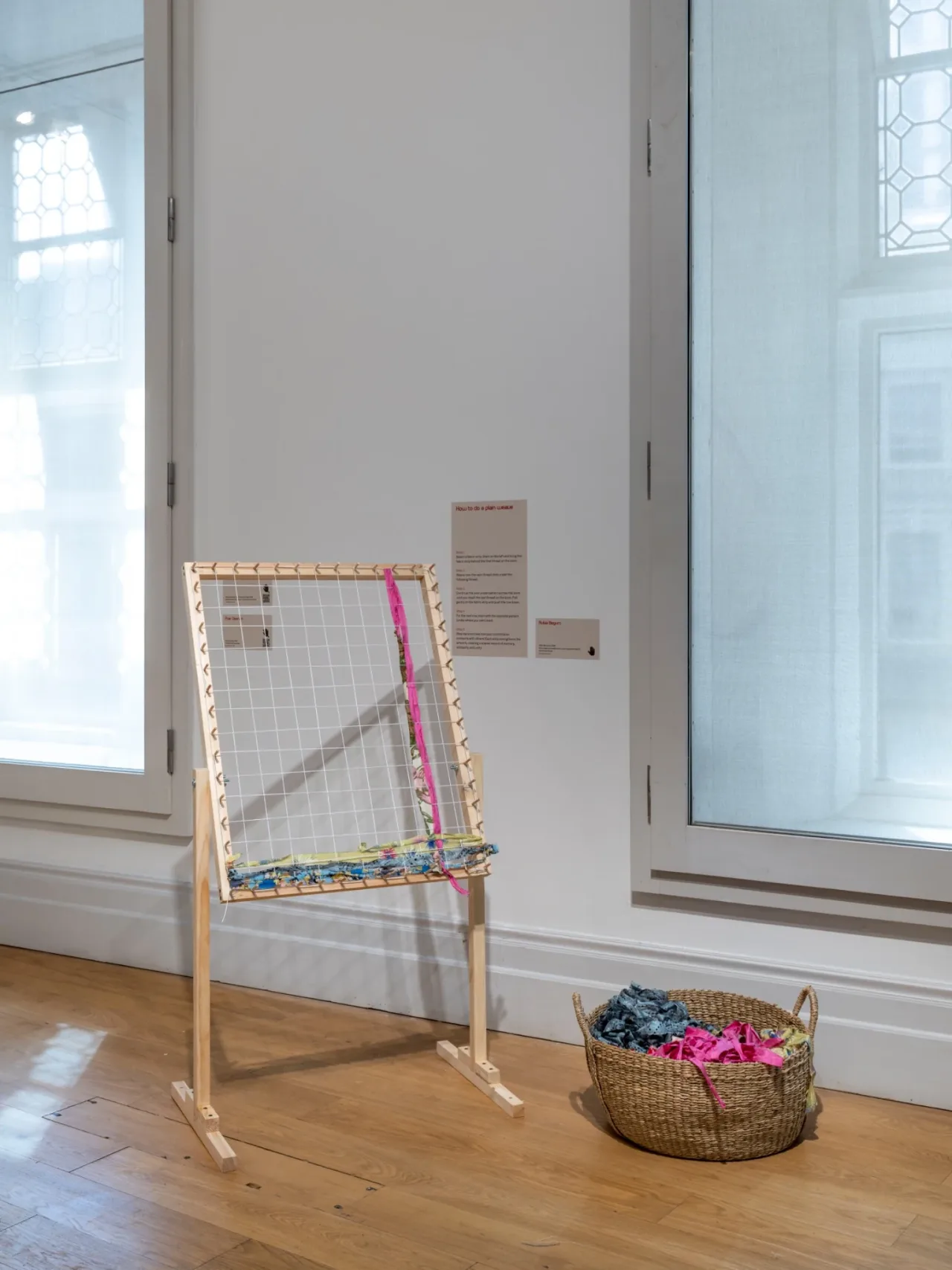
Music forms another important strand of the programme. Bengal to Bethnal Green, presented in collaboration with the Grand Union Orchestra at Toynbee Studios on Saturday 15 August, traces the musical histories of Bengali migration to East London through live performance. Elsewhere, the influential British Asian club night Swaraj returns as part of the wider Backyard Biennial, bringing together DJs and artists from London's South Asian electronic music scene.
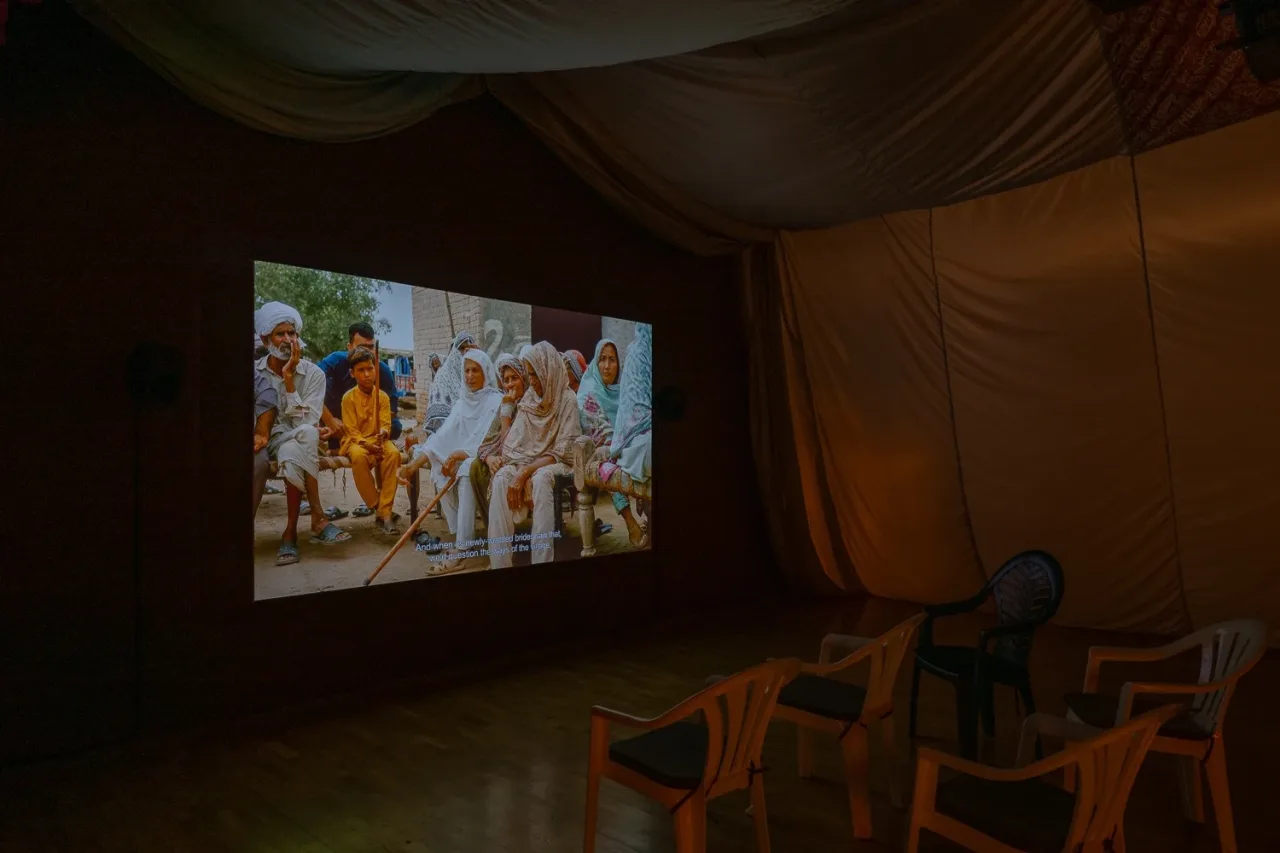
Film also plays a significant role. OITIJ-JO has curated screenings featuring contemporary Bengali filmmakers alongside archival footage documenting East London's communities. Additional programmes focus on Bangladeshi women filmmakers and histories of community activism, broadening the conversation beyond contemporary art into lived experience.
Shala_Neighbourhood Art Space, based in Bangladesh, has collaborated with OITIJ-JO and co curated the films being shown in the Biennial, part of our TUFAN programme. Under the theme of Process of Being Womxn and Labour, Migration and Home. The films x 7 will be shown in Zulkha Auditorium, Whitechapel Gallery and OITIJ-JO Art Space x 13.
In Bangla, the word tufan means "storm". It evokes violent winds and cyclones, but also emotional upheaval, political change and moments of profound transformation. Like the storm from which it takes its name, TUFAN is ultimately less concerned with destruction than renewal. Rooted in East London's Bangladeshi community yet resonating across South Asian diasporas, it reminds us that culture is not something preserved intact but continually remade through movement, memory and making.